
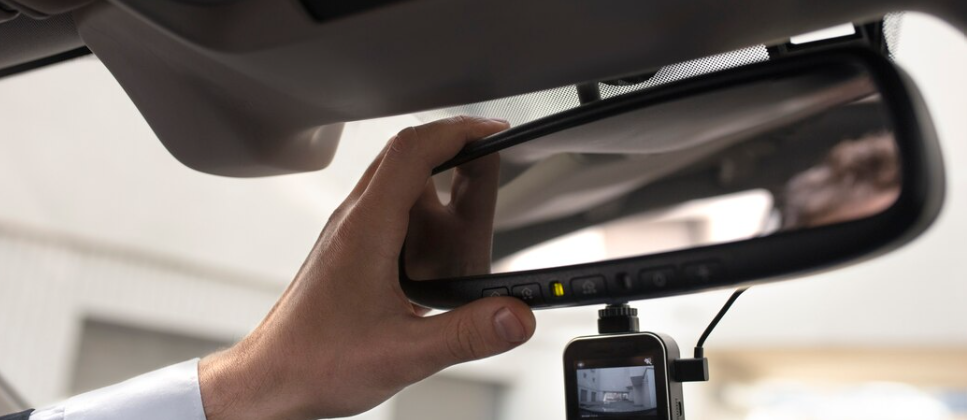
Backing out of a parking space at a busy Bay Area shopping center. Reversing out of a narrow driveway on a residential street. Pulling back from a loading bay in a tight lot in downtown Hayward. These are everyday situations that happen dozens of times a week for most drivers, and every single one of them involves a blind zone behind your vehicle that mirrors simply cannot cover. That is exactly why backup camera safety Hayward drivers rely on has become such an important part of modern vehicle safety and everyday driving convenience.
Call +1 510-839-1992 to book your appointment now!
A backup camera changes that completely. Instead of craning your neck and hoping for the best, you get a live, wide-angle view of exactly what’s behind you, right on your dash or rearview mirror screen. It’s not a luxury feature anymore. Since May 2018, federal law has required every new vehicle under 10,000 pounds sold in the United States to include a rear visibility system. That mandate exists because the data is undeniable: backup cameras prevent accidents, protect pedestrians, and reduce the anxiety that comes with reversing in tight spaces.
But millions of vehicles on Bay Area roads are older than 2018 and still don’t have this technology. If you’re driving one of them, an aftermarket backup camera installation is one of the smartest, most practical upgrades you can make. This guide covers everything Hayward drivers need to know, from the safety case to the types of systems available, to what professional installation actually looks like and what it costs.
The Blind Zone Problem: Why Mirrors Are Not Enough
Most drivers assume that between their rearview mirror, left mirror, and right mirror, they have a reasonably complete picture of what’s around their vehicle. They don’t.
Every vehicle has a rear blind zone, the area directly behind and below the back bumper that no mirror configuration can show. The size of this zone varies significantly by vehicle type. In a standard sedan, it’s manageable but still present. In a truck, SUV, or van, the blind zone can stretch 20 feet or more behind the vehicle. That’s more than enough space for a child, a cyclist, or a pedestrian to disappear from view entirely.
The statistics are sobering. According to the National Highway Traffic Safety Administration, backover incidents injure thousands of people annually. Studies show that children under five and adults over 70 are disproportionately represented in these incidents, two groups who are less visible and less able to move quickly out of the path of a reversing vehicle. Research shows that backup cameras can reduce the size of the rear blind zone by up to 90% on average, and post-2018 data shows that backover crashes have fallen 17% in vehicles equipped with cameras alone and up to 78% when combined with automatic emergency braking.
The blind zone problem is especially relevant in Hayward and the broader East Bay. Dense residential neighborhoods, crowded strip mall parking lots along Mission Boulevard, school drop-off zones, and mixed-use commercial areas all create exactly the conditions where rear visibility matters most. Adding a backup camera system to your vehicle is not just about convenience; it’s about having the visibility you need to drive safely in the places you drive every day.
Who Benefits Most from Backup Camera Installation in Hayward?
Backup cameras deliver genuine value across a wide range of drivers and vehicle types. Here’s how the benefit breaks down by use case:
Everyday commuters and family drivers who park in tight residential streets, school pickup lanes, or crowded lots benefit from reduced stress and faster, more confident parking on every trip.
Truck and SUV owners have the most to gain from a pure safety standpoint. Larger vehicles have proportionally larger blind zones. A full-size pickup reversing with no camera can have a blind spot extending well beyond 25 feet. A backup camera eliminates this gap.
Older adults who may have reduced neck mobility or peripheral vision find backup cameras particularly valuable. Studies show drivers over 70 see up to a 40% reduction in backing accidents with camera assistance.
Parents with young children gain enormous peace of mind. Children playing in driveways are among the most at-risk groups in backover incidents, and a camera provides a constant visual check that mirrors can’t match.
Commercial and fleet vehicle operators running delivery vans, service trucks, or cargo vehicles in tight urban environments reduce their liability exposure with every installation.
Overlanding and off-road vehicle owners navigate uneven terrain, trail reversals, and remote parking areas where one wrong move can mean a costly drop or a stuck vehicle.
At Audiomobile, our team in Hayward regularly installs backup camera systems on all of the above, from daily drivers and family SUVs to commercial step vans and full overlanding builds. You can see the range of vehicle types our team works on in the Audiomobile gallery, which includes builds across sedans, trucks, 4x4s, and specialty rigs.
Types of Backup Camera Systems: Understanding Your Options
Not all backup camera systems are the same. The right choice depends on your vehicle, how you use it, what display you already have (or want), and how permanent you want the installation to be. Here’s a breakdown of the main options:
Wired Backup Cameras
Wired systems connect the rear-mounted camera directly to your display unit through a cable routed through the vehicle’s interior. They are the gold standard for reliability. The connection is stable, the signal is clean, and there’s no risk of interference from competing wireless signals or other electronics. Wired cameras draw power directly from your vehicle’s electrical system, so there’s no battery to manage.
The trade-off is installation complexity. Running a cable from the rear bumper area to the cab requires working behind panels and trim pieces, the kind of detailed work that takes a professional one to two hours but turns into a full afternoon (or worse) for a first-time DIYer who ends up with a misrouted cable and loose panels. For vehicles that will keep the same camera for years, wired is almost always the better long-term investment.
Wireless Backup Cameras
Wireless systems transmit video from the rear camera to the dash display without a physical cable running the length of the vehicle. The camera still needs to connect to a power source, typically the reverse light circuit, but the video signal goes wirelessly. This makes them easier to install and more appealing for drivers who want a simpler setup or plan to move the camera between vehicles.
Modern wireless cameras have improved significantly. Digital transmission has largely replaced older analog systems, reducing the interference and signal dropout issues that plagued early wireless cameras. That said, very large vehicles long-bed trucks, commercial vans, RVs can still experience range limitations or occasional dropouts with wireless systems. For most standard passenger vehicles in the Hayward area, a quality wireless system installed correctly performs reliably in daily use.
Mirror-Integrated Systems
These replace or overlay your existing rearview mirror with a unit that includes a built-in display screen. When you shift into reverse, the screen activates and shows the camera feed. When you are driving forward, it functions as a normal mirror. This is a clean, uncluttered solution that does not add a separate monitor to your dashboard.
Dash Screen-Integrated Systems
If you have already upgraded to an aftermarket head unit with a touchscreen, your new stereo likely has a camera input that can accept a backup camera feed directly. This is one of the most seamless solutions available; the camera appears on the same screen you use for navigation and audio, with parking guidelines overlaid on the image.
If you’re considering this kind of integrated setup, it pairs naturally with a stereo and audio upgrade at the same time. Our team can install both in a single appointment, and the result is a completely modernized cab experience.
Multi-Camera Systems
For trucks, large SUVs, or overlanding vehicles, a single rear camera may not be enough. Multi-camera systems add side-view or forward-facing cameras to give you a complete 360-degree picture. These are particularly useful for tight trail navigation, parallel parking in narrow streets, and large commercial vehicle operation where rear and side visibility are both limited.
Key Features to Look for in a Backup Camera
Once you’ve decided on a system type, the next question is what features matter for your specific situation. Here are the specs that make a real difference in daily use:
- Wide-angle lens (120-170 degrees): A wider field of view means fewer blind spots to the sides of your vehicle while reversing. Most quality aftermarket cameras offer 120 to 170 degrees.
- Night vision / infrared LEDs: If you park or reverse in poorly lit areas, residential streets at night, underground lots, or early morning departures, a camera with infrared night vision is essential. Without it, the image in low light can be nearly useless.
- Dynamic parking guidelines: These are the colored lines overlaid on the camera image that adjust as you turn the wheel, showing where your vehicle will travel. They make parking dramatically easier, especially in tight spots. A 2023 survey found that 72% of backup camera users preferred systems with integrated parking guidance.
- HD resolution: Standard definition cameras produce a grainy image that makes it harder to spot small objects or judge distances. HD resolution gives you a clean, detailed picture that’s easy to read at a glance.
- Weatherproofing (IP67/IP68/IP69K rated): A rear-mounted camera is exposed to rain, road spray, dust, and temperature extremes. Look for a minimum IP67 waterproof rating. IP69K is the highest standard, designed to withstand high-pressure water jets.
- Parking sensor integration: Some systems pair the camera with ultrasonic parking sensors that provide audio or visual distance alerts when you get close to an object behind you. Combined with the camera view, sensors give you a more complete picture when a child or small object is close to the bumper.
Backup Camera and Car Security: A Natural Pairing
Many Hayward drivers who come to Audiomobile for a backup camera installation end up adding a dashcam to the front at the same time, and it makes a lot of sense. A front dashcam paired with a rear camera gives you complete visual documentation of everything that happens around your vehicle, both while driving and while parked.
For drivers concerned about vehicle security in the East Bay, a dashcam with parking mode records footage when the vehicle is stationary and detects motion or impact. If someone hits your parked car in a parking lot or attempts to break in, the camera captures it. Bay Area theft and vandalism rates make this a practical investment, not just a precaution.
Our team can pair a backup camera with a full vehicle security system installation, including GPS tracking, alarm systems, and Compustar remote start, all in a single visit. The wiring is handled cleanly and professionally, so nothing looks cobbled together.
DIY vs Professional Backup Camera Installation: What Hayward Drivers Should Know
This is the question most drivers wrestle with once they have decided to add a backup camera. The hardware is widely available at auto parts stores, and installation guides exist for most vehicle makes. So why use a professional?
The honest answer is that DIY is entirely viable for wireless systems on simple vehicles if you are comfortable with basic wiring and working behind interior panels. Many wireless cameras connect to the reverse light circuit and transmit video wirelessly, so the wiring work is limited to the rear of the vehicle.
Where DIY goes wrong most often:
- Improper routing of cables causes rattles, pinched wires, or damage over time
- Poorly connected power leads create intermittent failures that are difficult to diagnose
- Camera mounted at the wrong angle, giving a distorted or off-center view
- Integration with factory displays or advanced head units requires vehicle-specific interface modules that most consumers aren’t familiar with
- Wiring not weatherproofed at entry points, leading to moisture damage over months
Professional installation avoids all of these issues. An experienced installer knows the routing paths for your specific vehicle, how to tap into the reverse light circuit cleanly, how to integrate with your existing or new display, and how to mount the camera at the correct angle for the best field of view. The total installation time at a professional shop is typically one to two hours; the result looks factory-fitted and performs reliably.
At Audiomobile, our installers have worked on hundreds of backup camera jobs across every vehicle type. Whether it’s a 2005 Toyota Tacoma with no camera input, a 2019 4Runner that needs camera integration with the factory display, or a commercial delivery van, our team has seen the job before and knows how to do it right. You can read about the team and their experience on the Audiomobile team page.
How Much Does Backup Camera Installation Cost in Hayward?
Cost is one of the first questions drivers ask, and the answer depends on a few variables: the type of system, the features you want, and your vehicle.
Here’s a realistic breakdown for the Hayward area:
- Basic wireless camera + installation: $150 to $300. A reliable wireless camera with a separate monitor or mirror display, professionally installed. Good for older vehicles where a simple, standalone system is all that’s needed.
- Wired camera integrated with aftermarket head unit: $200 to $450 total, depending on camera specs and any additional interface modules. This assumes the head unit is already installed. If you’re upgrading the stereo at the same time, the costs are combined.
- HD camera with night vision, parking sensors, and dynamic guidelines: $300 to $600. Higher-end systems with better image quality, more features, and professional-grade weatherproofing.
- Multi-camera systems (trucks, SUVs, commercial vehicles): $400 to $800+. Multiple camera positions, larger or more complex routing, and advanced display integration.
Professional installation labor typically runs $130 to $200 for a standard vehicle. For complex integrations or large vehicles, labor rises accordingly. The total package price, camera hardware plus professional installation generally falls between $150 and $600 for most Hayward drivers, with commercial or specialty vehicle jobs going higher.
What you are paying for beyond the hardware is the expertise and the clean result. A professionally installed camera doesn’t rattle, doesn’t fail after three months, and does not leave your interior panels with gaps or visible cable runs. It looks like it came from the factory because a skilled installer treats your vehicle like their own.
For a full picture of what installation looks like for your vehicle, reach out to our team through the Audiomobile contact page or stop by the shop at 24031 Mission Blvd in Hayward.
Backup Cameras and Older Vehicles: Yes, It Works
A common misconception is that backup cameras are only for newer vehicles with modern infotainment systems. That’s not the case. An aftermarket backup camera system can be installed on virtually any vehicle, regardless of age or make.
Vehicles with no factory camera input can be paired with a standalone mirror monitor or an aftermarket head unit that provides the display. Vehicles with a factory infotainment screen may require an interface module to accept the camera signal, a component our team is experienced with sourcing and installing for specific make/model combinations.
Some of the most satisfying installations our team does are on older trucks and 4x4s that have been loved and maintained for years. The owner doesn’t want to replace the vehicle; they just want it to be safer and more capable. A backup camera, combined with LED and auxiliary lighting upgrades and other modern additions, can bring an older vehicle’s functionality fully up to date without changing what makes it special.
Audiomobile has done backup camera installations on vehicles going back to the early 1990s, including step vans, classic trucks, vintage imports, and everything in between. If you are unsure whether your vehicle is compatible, bring it in or call the shop, our team will give you a straight answer.
What to Expect During a Professional Installation at Audiomobile
If you have never had a professional car electronics installation done, here’s what the process looks like at our Hayward shop:
Step 1: Assessment:
Our team reviews your vehicle, your current display setup (if any), and what you want to achieve. If you have not picked a camera yet, we’ll recommend the right system for your vehicle and use case.
Step 2: Camera placement:
The rear camera is mounted at the optimal location, typically above the license plate or integrated into a license plate frame at the correct angle for the best field of view. Placement is checked before wiring begins.
Step 3: Wiring:
Power is connected to the reverse light circuit, so the camera activates automatically when you shift into reverse. Cable routing (for wired systems) follows the cleanest interior path with proper weatherproofing at exterior penetration points.
Step 4: Display integration:
The video signal is connected to your chosen display, whether that’s a new mirror unit, an aftermarket head unit, or your factory screen, via an interface module. Parking guidelines are calibrated to the actual dimensions of your vehicle.
Step 5: Testing:
The system is tested in reverse at multiple angles to confirm image quality, guideline accuracy, and consistent activation. Night vision performance is checked if lighting conditions allow.
Most standard installations are completed within one to two hours. You will drive away with a camera that works perfectly every time you put the vehicle in reverse, no fuss, no follow-up troubleshooting.
If you have questions before booking, our FAQ page covers common questions about backup camera installation, compatibility, and what to expect from our shop.
Backup Cameras and Vehicle Resale Value
Backup cameras have become so standard in new vehicles that their absence is now noticeable to buyers evaluating used cars. A clean, professionally installed backup camera adds a practical feature that buyers actively look for, particularly those who have grown accustomed to it in previous or current vehicles.
A DIY installation with visible wires or a camera mounted at an awkward angle can actually hurt resale value by signaling to buyers that the vehicle has been worked on improperly. A clean professional installation is indistinguishable from a factory system and adds genuine value.
Beyond resale, a backup camera protects the vehicle itself. Avoiding low-speed backing accidents means avoiding bumper damage, broken taillights, and the insurance claims and repair costs that come with them. Drivers who install backup cameras often report that the system pays for itself the first time it helps them avoid a slow-speed collision in a parking lot.
Making the Right Move Before Your Next Reverse
The case for backup camera installation in Hayward comes down to a simple question: why would you continue driving with a preventable blind spot when the solution is affordable, reliable, and professionally installed in under two hours?
Whether you are driving a daily commuter sedan, a full-size truck, a family SUV, or an older vehicle you plan to keep for years, a backup camera adds safety every single time you reverse. It’s not a gadget. Its visibility prevents accidents.
Audiomobile has been serving Hayward and East Bay drivers since 1975. Our team knows vehicle electronics inside out, and we treat every installation with the same care and precision we’d apply to our own vehicles. If you are ready to add a backup camera to your vehicle or if you want to combine the installation with an audio upgrade, dash cam, or security system, we’re here to help.
Visit us at 24031 Mission Blvd, Hayward, or start with our backup camera installation service page to learn more about the systems we install. You can also explore the Audiomobile homepage for the full range of services we offer or contact us directly to schedule an appointment.
You can also follow our latest installations and project updates on Facebook and Instagram to see our work firsthand.
Frequently Asked Questions
Can a backup camera be installed on any vehicle, including older models?
Yes. Aftermarket backup cameras can be installed on virtually any vehicle, regardless of age or make. Vehicles without a factory display can be paired with a standalone mirror monitor or an aftermarket touchscreen head unit. Our team at Audiomobile has installed camera systems on vehicles going back to the early 1990s, including classic trucks, commercial vans, and older imports.
How much does backup camera installation cost in Hayward?
Total cost for a professional backup camera installation in Hayward generally ranges from $150 to $600 depending on the system type and your vehicle. Basic wireless camera systems with a mirror display start around $150 to $300. HD systems with night vision, parking guidelines, and integration with a touchscreen head unit typically run $300 to $500. Multi-camera setups for trucks or commercial vehicles can run higher. Contact Audiomobile for a quote based on your specific vehicle.
What is the difference between a wired and wireless backup camera?
Wired cameras connect directly to your display via a cable routed through the vehicle, offering a stable, interference-free signal and consistent image quality. Wireless cameras transmit the video signal without a cable, making installation simpler but with a small risk of signal interference in very large vehicles. For most standard passenger vehicles, a quality wireless system performs reliably. Wired systems are generally preferred for trucks, commercial vehicles, and permanent installations.
Do backup cameras work at night?
Cameras with infrared night vision LEDs work very well at night. Budget cameras without dedicated night vision can produce poor results in low-light conditions. When selecting a system, look for cameras with infrared capability or a low LUX rating, which indicates better performance in darkness. Audiomobile can recommend the right camera for your lighting conditions.
Will a backup camera installation void my vehicle warranty?
No. Professional backup camera installation does not void your vehicle’s warranty. Our team at Audiomobile uses factory-compliant wiring techniques, and all work is done with precision to ensure no interference with your vehicle’s electrical system.
How long does professional backup camera installation take?
Most standard backup camera installations at Audiomobile take one to two hours. Larger vehicles, complex factory display integrations, or multi-camera setups may take longer. Our team will give you a realistic time estimate when you book, so you can plan your visit accordingly.
Can a backup camera be integrated with my existing factory screen?
In many cases, yes. Some factory displays can accept a direct camera input with minimal hardware. Others require a vehicle-specific interface module to enable the camera input. Our team is experienced with factory integration across the most popular makes and models. Bring your vehicle in, and we will confirm compatibility before committing to a solution.
What is the backup camera blind zone, and does a camera eliminate it completely?
The blind zone is the area directly behind your vehicle that no mirror can show. Backup cameras dramatically reduce this zone. Studies have shown that cameras can eliminate up to 90% of the average blind zone in tested vehicles. However, cameras have a limited field of view and may not catch objects at the extreme edges of the rear bumper. This is why some drivers pair a camera with ultrasonic parking sensors for complete coverage.
Is it worth adding parking sensors alongside a backup camera?
Yes, especially for parallel parking and tight urban spaces. Parking sensors use ultrasonic technology to detect objects within a defined distance of your bumper and alert you with audio or visual warnings. Combined with the camera view, they give you a more complete picture of the space immediately behind and around your vehicle, which is helpful when objects are close to the bumper and may be at the edge of the camera’s frame.
Can I get a backup camera installed at the same time as a new car stereo?
Yes, and it’s actually one of the most efficient ways to do both. When a new touchscreen head unit is installed, the camera input can be integrated at the same time, giving you a clean, seamless display for both your audio system and your rear camera. Our team can bundle both installations into a single appointment, and the result is a fully integrated setup that looks and works like a factory system.
From professional backup camera installations to advanced vehicle safety upgrades, Audiomobile helps Hayward drivers improve visibility, confidence, and daily driving convenience. Visit our Facebook and Instagram accounts today to learn more about our latest installations, custom vehicle upgrades, and expert car electronics solutions.
David Trinh