
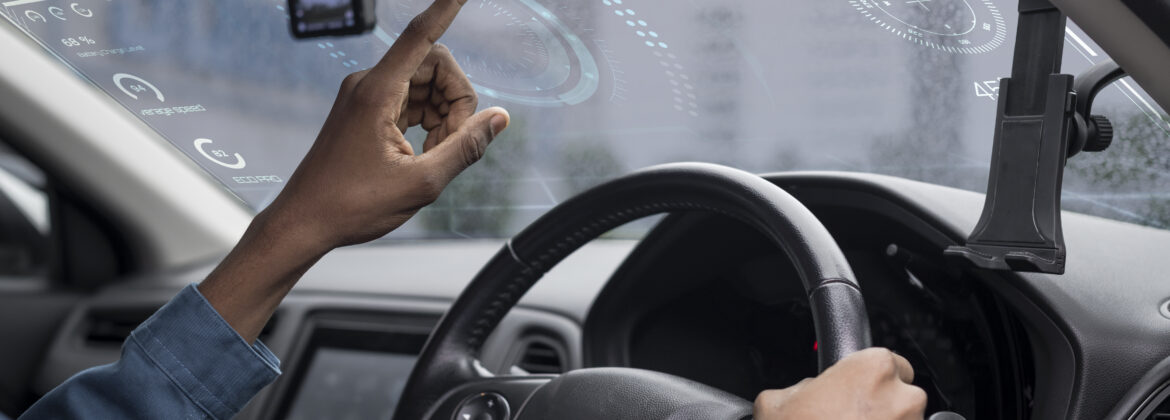
The Bay Area’s dense traffic, multi-lane freeways, and constant lane changes make blind spot awareness critical for everyday driving. As millions of older vehicles on the road lack factory safety features, aftermarket blind spot monitoring systems have become an effective way for drivers to improve awareness and reduce the risk of lane-change collisions in busy environments like Hayward and surrounding freeways.
While most new vehicles come equipped with factory BSM, millions of older cars on the road lack this critical safety feature.
Upgrading Safety: Aftermarket Blind Spot Solutions for Bay Area Drivers
At Audiomobile Hayward, we specialize in bringing cutting-edge safety technology to any vehicle through professional car accessories installation. This comprehensive guide will explain the three primary technologies used in modern BSM systems—Radar, Ultrasonic, and Video-Based Detection and detail how our aftermarket solutions can dramatically enhance the safety and confidence of your commute.
Part 1: The Blind Spot Problem and the Need for Technology
The blind spot is the area around your vehicle that cannot be seen by the driver using the rearview or side mirrors. This area is responsible for a significant percentage of lane-change collisions.
Why Aftermarket BSM is a Game Changer
- Aftermarket BSM systems are a cost-effective way to integrate advanced driver-assistance systems (ADAS) into older vehicles. This is part of a larger trend of modernizing older cars, which also includes essential upgrades like [Apple CarPlay vs. Android Auto: OEM, Aftermarket & Wireless Systems Explained for Bay Area Drivers].
- Studies have shown that BSM systems can reduce lane-change collisions with injuries by as much as 23%. For older vehicles, an aftermarket system provides:
- Enhanced Awareness: Alerts the driver to potential hazards they might not see, reducing stress during heavy traffic.
- Collision Reduction: Significantly lowers the risk of side-swipe accidents and damage to other vehicles.
- Increased Vehicle Value: Modern safety features are a major selling point, making your older vehicle more attractive and safer.
Part 2: The Three Technologies of Blind Spot Detection
Modern BSM systems utilize three distinct technologies, each with its own strengths and ideal use case. The most effective aftermarket solutions often combine these technologies for complete coverage.
1. Radar-Based Systems (The Highway Sentinel)
Radar is the gold standard for high-speed, long-range detection, making it the most critical technology for freeway driving.
- How it Works: Radar systems use transceivers, typically mounted inside the rear bumper, to emit microwave radio waves. These waves bounce off objects (other vehicles) in the blind spot and return to the sensor. The system then calculates the object’s distance, speed, and trajectory.
- Alerts: If a vehicle is detected, a visual warning (usually an illuminated light on the side mirror or A-pillar) is activated. If the driver attempts to signal a lane change while a vehicle is present, an audible or haptic (vibration) warning is triggered.
- Aftermarket Application: Aftermarket radar kits are highly effective. They require professional installation, often involving the removal of the rear bumper to correctly position the sensors for optimal range and accuracy.
- Advantage: Radar excels at all-weather performance (rain, fog, and snow) and long-range detection, making it superior for highway speeds.
2. Ultrasonic-Based Systems (The Parking Assistant)
Ultrasonic sensors are excellent for close-range, low-speed detection, primarily used for parking assistance.
- How it Works: These sensors emit high-frequency sound waves (sonar) that reflect off nearby objects. The system measures the time it takes for the echo to return to determine the distance to the object.
- Use Case: While they can be used to supplement BSM, their range is limited (typically only a few feet), and they are not effective at highway speeds. They are best suited for detecting objects during low-speed maneuvers, such as parallel parking or backing out of a driveway.
- Advantage: High precision at close range, making them ideal for avoiding obstacles in parking lots.
3. Video-Based Systems (The Visual Confirmer)
Video-based systems, often referred to as blind spot cameras, provide the driver with a live visual feed of the blind spot.
- How it Works: Small cameras are mounted under the side mirrors or integrated into the vehicle’s existing camera network. When the driver activates the turn signal, the video feed is displayed on the infotainment screen or a dedicated monitor (like a replacement rearview mirror).
- Aftermarket Application: This is a popular upgrade, often integrated with a new aftermarket head unit or a dedicated dashcam installation that supports multiple camera inputs.
- Advantage: Provides a clear, high-resolution visual confirmation of the adjacent lane, which is particularly useful for drivers who prefer visual certainty over simple warning lights.
- Limitation: Video quality can be compromised by heavy rain, snow, or direct sunlight, making them less reliable in adverse weather compared to radar.
| Technology | Detection Method | Ideal Use Case | Aftermarket Integration | Primary Advantage |
| Radar | Microwave Radio Waves | Highway Speeds, Long Range | Bumper-mounted sensors | All-weather reliability, long-distance detection. |
| Ultrasonic | High-Frequency Sound Waves | Low-Speed Parking, Close Proximity | Bumper/Fascia sensors | High precision at very short range. |
| Video/Camera | Live Video Feed | Visual Confirmation, Lane Watch | Integrated into mirrors/head unit | Clear visual confirmation of the blind spot. |
Part 3: Aftermarket Solutions for Older Vehicles
The primary challenge for older vehicles is the lack of factory wiring and integration points. This is where the expertise of Audiomobile Hayward becomes essential.
1. Radar Kits: Seamless Integration
High-quality aftermarket radar kits are designed to mimic the performance of factory systems.
- Installation Complexity: The installation is complex, requiring precise sensor placement and calibration. The sensors must be mounted behind the non-metallic parts of the bumper fascia, and the wiring must be routed cleanly through the vehicle’s chassis to the control module and the warning lights in the side mirrors.
- Integration with Electrical Systems: The system must be correctly wired to the vehicle’s power, ground, and turn signal circuits. Our expertise in electrical troubleshooting ensures that the system draws power correctly and does not cause parasitic drains on your battery.
2. Camera Kits: Leveraging Infotainment Upgrades
Camera-based BSM is often installed alongside an aftermarket head unit (stereo). This is a perfect opportunity to also upgrade your dash camera, ensuring you have the right setup for both safety and evidence capture. For guidance, see our article on [Choosing Between Single-Channel and Dual-Channel Dash Cams: Which Suits Your Commute Best].
- Head Unit Compatibility: Modern head units from brands like Kenwood and Pioneer often have multiple camera inputs, allowing us to integrate a dedicated blind spot camera (often activated by the turn signal) alongside a backup camera installation and a front-facing camera.
- Visual Display: The video feed can be displayed on the new head unit’s screen, or for a less intrusive option, on a replacement rearview mirror that features a built-in monitor.
3. The Power of Combination Systems
The most advanced and safest aftermarket systems combine radar and video. Radar handles the long-range, all-weather detection on the highway, while the camera provides the visual confirmation needed for merging and parking. This dual-technology approach provides the most comprehensive safety net for Bay Area driving.
Part 4: Audiomobile Hayward – Your Safety Installation Experts
In the high-stakes environment of Bay Area traffic, a poorly installed BSM system is worse than none at all. False alerts (from cheap systems) or system failures (from poor wiring) can lead to driver complacency or, worse, dangerous accidents
Why Professional Installation Matters
- Calibration and Placement: Radar sensors must be precisely aimed and calibrated to ensure accurate detection and to prevent false readings from adjacent lanes or guardrails. This requires specialized tools and expertise.
- Electrical Integrity: BSM systems are sensitive to voltage fluctuations. Our technicians ensure the system is hardwired correctly, protecting your vehicle’s electrical integrity. We are experts in all aspects of car security systems (alarm installation) and electrical upgrades, ensuring all components work in harmony. This is especially important in winter, as discussed in our guide on [Why Your Car Battery Dies Faster in Cold Weather and How to Protect Your Car Engine]
- Seamless Integration: We ensure the warning lights are placed optimally (usually in the side mirror housing) and that the system integrates cleanly with your vehicle’s aesthetics, making the aftermarket addition look and feel like a factory option.
Safety Beyond the Blind Spot
At Audiomobile Hayward, our commitment to safety extends beyond BSM. We offer a full suite of safety and convenience upgrades that work together:
- Dash Cams: A dashcam installation provides irrefutable video evidence in the event of a collision, which is especially important in dense traffic. For more on choosing the right camera, see our guide on [Choosing Between Single-Channel and Dual-Channel Dash Cams: Which Suits Your Commute Best].
- Lighting Upgrades: Enhancing your visibility is just as important as enhancing your detection. We offer auxiliary lighting and other car lighting upgrades to ensure you see and are seen, especially during foggy Bay Area mornings.
Do not compromise on safety. Upgrade your older vehicle with the latest in blind spot technology.
Contact Audiomobile Hayward today for a consultation on the best radar, ultrasonic, or video-based BSM system for your vehicle. We are your trusted expert for car accessories installation, car audio installation, and safety technology in Hayward, CA.
Stay connected with us for more helpful tips on Facebook and Instagram!”
David Trinh