
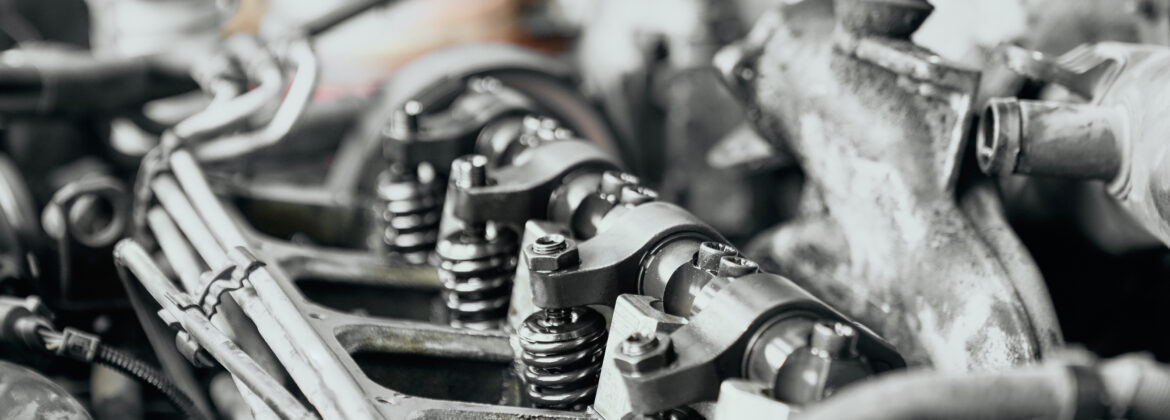
While the Hayward, California, area may not experience the extreme blizzards of the Midwest, our winter months still bring significant temperature drops, especially overnight. Let’s learn more about how to protect your car engine in cold weather today. For drivers in the East Bay, these colder temperatures pose a hidden, yet serious, threat to the most critical component of your vehicle’s starting system: the car battery.
Call +1 510-930-0881 to book your appointment now!
How to Protect Your Car Engine: Why Car Batteries Die Faster In Cold Weather
At Audiomobile Hayward, we specialize in all things electrical, from advanced car audio installation and dashcam installation to ensuring your vehicle’s core electrical system is robust enough to handle the demands of winter. A dead battery is more than an inconvenience; it’s a sign of a deeper strain on your engine and electrical system.
This comprehensive guide will delve into the science of why your car battery dies faster in cold weather, explain the critical role of Cold Cranking Amps (CCA), and detail the proactive steps and professional installations you can take to protect your car engine and ensure reliable starting all season long.
Part 1: The Cold Science of a Dead Battery
The phenomenon of a battery failing in cold weather is a combination of two simultaneous effects: a decrease in the battery’s ability to produce power and an increase in the engine’s demand for power.
1. The Slowdown of Chemical Reactions
A standard car battery (lead-acid) generates electricity through a chemical reaction between lead plates and an electrolyte solution (sulfuric acid and water). This process is highly sensitive to temperature.
• The Effect: Cold temperatures dramatically decrease the speed of this chemical reaction, which directly results in a lower power output from the battery.
• The Impact: At 32°F (0°C), a battery’s capacity can be reduced by about 20%. At -22°F (-30°C), the battery may only be able to deliver about 50% of its rated capacity. This means that even a healthy battery is operating at a significant disadvantage in cold weather.
2. The Increased Risk of Freezing
A fully charged battery has a lower freezing point than a discharged one.
• The Danger: When a battery is fully charged, the electrolyte is a strong acid solution with a freezing point well below -60°F. However, as the battery discharges, the chemical reaction converts the sulfuric acid into water. A fully discharged battery’s electrolyte is mostly water, which can freeze at temperatures as high as 20°F (-6°C).
• The Result: If the electrolyte freezes, the expansion can cause the battery casing to crack or rupture, leading to permanent, irreparable damage.
3. The Cold-Induced Power Drain
While the battery is struggling to produce power, the vehicle is simultaneously demanding more of it.
• Thicker Engine Oil: Cold weather thickens the engine oil, making it more viscous. This increased viscosity means the engine is much harder to turn over, requiring the starter motor to draw significantly more current from the battery.
• Accessory Overload: Drivers rely heavily on high-draw accessories in winter, such as the heater, defroster, and headlights. This increased, sustained demand further strains the battery, especially during short trips where the alternator doesn’t have time to fully replenish the charge.
Part 2: Understanding Cold Cranking Amps (CCA)
When discussing battery performance in cold weather, the term Cold Cranking Amps (CCA) is paramount. It is the single most important rating to consider for winter reliability.
What is CCA?
Cold Cranking Amps (CCA) explained is a rating system that measures a battery’s ability to start an engine in cold temperatures [7].
•The Standard Test: CCA is defined as the number of amperes a 12-volt battery can deliver for 30 seconds at a temperature of 0°F (-18°C) while maintaining a minimum voltage of 7.2 volts [8].
•Why it Matters: This rating tells you the maximum burst of power the battery can provide to overcome the resistance of cold, thick engine oil and turn the engine over. If your vehicle requires 600 CCA to start, and your old battery can only deliver 400 CCA at 0°F, your car will not start.
| Temperature | Battery Capacity (Approx.) |
| 80°F (27°C) | 100% |
| 32°F (0°C) | 65% |
| 0°F (-18°C) | 40% |
| -20°F (-29°C) | 20% |
The Takeaway: If you live in a consistently cold climate, a new battery with a higher CCA rating than your manufacturer’s minimum specification can provide a crucial margin of safety.
Part 3: How to Protect Your Car Engine and Battery
Proactive maintenance and smart driving habits are the best defense against cold-weather battery failure.
A. Essential DIY Battery Maintenance
These simple steps can significantly extend your battery’s life and reliability.
1. Check Your Battery Health: Get your battery tested professionally. A weak battery is far more likely to fail in the cold. Most batteries last 3-5 years; if yours is approaching this age, consider a replacement before winter.
2. Keep Terminals Clean: Inspect the battery terminals for corrosion (a white or bluish-green powdery substance). Corrosion acts as an insulator, preventing the battery from delivering its full power to the starter. Clean the terminals with a wire brush and a mixture of baking soda and water to ensure a good electrical connection.
3. Keep it Charged: A fully charged battery performs better and is less likely to freeze. Drive your car regularly for at least 30 minutes at highway speeds to allow the alternator to fully recharge the battery.
4. Avoid Short Trips: Short drives don’t allow enough time for the battery to fully recharge after starting, putting more strain on the system. If you must take short trips, consider using a trickle charger overnight once a week.
B. Engine Protection and Fluid Checks
Protecting your engine reduces the load on your battery, making it easier to start.
1. Check Engine Oil Viscosity: Ensure your engine oil is the correct viscosity for cold weather. Oil with a lower “W” (Winter) rating, such as 5W-30 instead of 10W-30, flows more easily in the cold, reducing the resistance the starter motor must overcome.
2. Antifreeze/Coolant Mix: Ensure your coolant has the proper mix of antifreeze. This prevents the engine block from freezing and protects the cooling system from corrosion.
Follow us on Facebook and Instagram for the latest updates!
Part 4: Audiomobile Hayward’s Professional Cold Weather Solutions
While DIY maintenance is helpful, professional installation of specialized accessories can provide the ultimate protection and convenience during cold weather. At Audiomobile Hayward, we offer solutions that directly address the increased strain on your battery and engine.
1. Remote Starter Installation: The Engine’s Best Friend
A remote starter is not just a luxury for warming up the cabin; it is a critical tool for protecting your car engine in cold weather.
• Engine Warm-Up: A remote start allows the engine to warm up before you drive. This is crucial because it thins the oil, allowing it to circulate more easily and reducing wear and tear on critical engine parts during the initial start. Check our remote start system installation service today.
•Battery Recharge: By running the engine for 5-10 minutes before driving, the remote starter allows the alternator to begin the process of recharging the battery, ensuring the battery is in a better state of charge before you even put the car in gear.
•Our Expertise: We specialize in installing high-quality remote start systems like Compustar and Viper, ensuring seamless integration with your vehicle’s electrical system and security features.
2. Battery Monitoring and Security Systems
As experts in car security systems (alarm installation), we can integrate battery monitoring into your vehicle’s overall protection plan.
• Low Voltage Alerts: Advanced security systems can be configured to alert you via your smartphone if the battery voltage drops below a critical threshold, allowing you to charge it before it dies.
• Dash Cam Integration: If you have a dashcam installation, we ensure it is properly hardwired with a dedicated battery pack or low-voltage cutoff to prevent it from draining your main car battery while the car is parked. This is a common, yet often overlooked, cause of winter battery failure.
3. Electrical System Troubleshooting and Upgrades
If your battery continues to fail despite being new, the problem lies elsewhere in your electrical system.
• Electrical Troubleshooting: Our technicians are experts in electrical troubleshooting, identifying parasitic draws (components draining power when the car is off) or a failing alternator that is not properly charging the battery.
• Auxiliary Lighting: If you are upgrading your auxiliary lighting or adding a complex overlanding build and accessories, we ensure that all new components are wired correctly with relays and fuses to prevent unnecessary strain on the main battery and alternator.
Frequently Asked Questions
1. Why does cold weather reduce my car battery’s ability to start the engine?
Cold temperatures slow down the internal chemical reactions that produce electrical power, meaning a car battery cannot deliver as much energy to the starter. At lower temperatures, this reduced output makes it harder to turn the engine over, especially on cold mornings.
2. Does short driving in winter make battery drain worse?
Yes. Short trips do not give the alternator enough time to fully recharge the battery after starting, and using heaters, defrosters, and headlights increases electrical demand, so the battery loses power faster during cold weather.
3. How can I tell if my battery is struggling due to cold weather?
Common signs include slow cranking when you turn the key, dim headlights, dashboard warning lights, and the need for frequent jump starts. These symptoms suggest your battery isn’t providing enough power because cold temperatures reduce its effective capacity.
4. Should I park my car in a garage during winter to protect the battery?
Yes. Parking in a warmer, sheltered space like a garage helps maintain battery temperature, reducing the strain of cold starts and improving reliability. It also helps prevent the battery from losing charge due to extreme temperature fluctuations.
5. Will replacing an older battery help prevent cold‑weather failures?
Absolutely. Batteries older than about three to four years hold less charge and struggle more in cold weather. Replacing an aging battery with one rated with higher Cold Cranking Amps (CCA) can improve starting performance and winter reliability.
6. Are there professional services that can help protect my battery and engine in winter?
Yes. Services like a professional battery inspection, remote starter installation, or electrical diagnostic check can ensure your battery, alternator, and electrical system are ready for cold weather and reduce the risk of unexpected failures.
Conclusion: Don’t Wait for the Cold Snap
While Hayward winters are mild compared to other parts of the country, the cold is still cold enough to expose a weak battery or a strained engine. The combination of reduced battery output and increased engine demand creates a perfect storm for a no-start situation.
By understanding the science behind cold-weather battery drain and taking proactive steps from simple terminal cleaning to professional remote starter installation, you can ensure your vehicle is ready for the season.
Don’t let a dead battery ruin your commute. Contact Audiomobile Hayward today for a comprehensive battery and electrical system check. We will ensure your vehicle is powered up and protected for the winter ahead.
Audiomobile Hayward [+1 510-930-0881]: Your trusted expert for car accessories installation, car audio installation, and electrical system protection in Hayward, CA.
David Trinh