
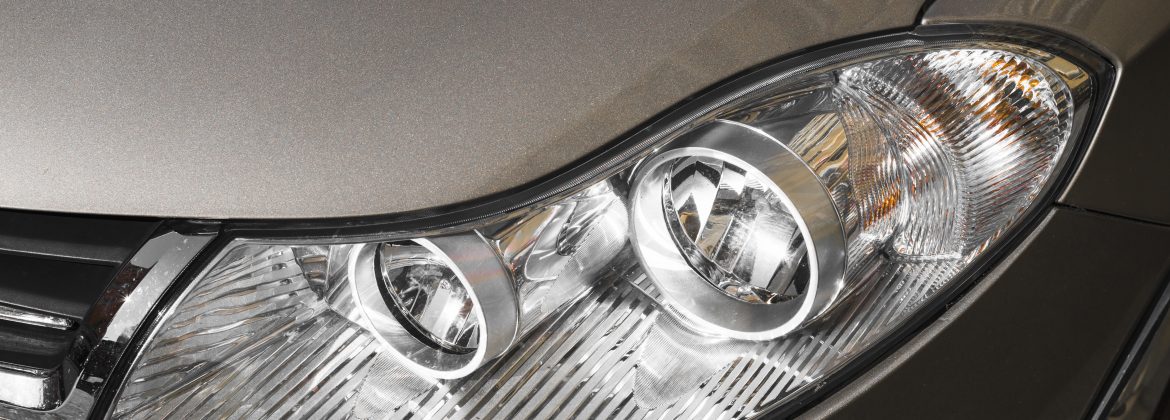
Driving at night, especially along the winding roads into the Hayward and East Bay hills or navigating the complex interchanges of the I-880, can be a challenge. One of the major issues that drivers face on these roads is poor visibility. Whether it’s due to low-light conditions or poorly lit streets, reduced visibility is a leading factor in accidents. Thankfully, modern lighting technology, particularly LED headlights, offers significant improvements. However, California law has strict guidelines on upgrading LED headlights modifications that all drivers need to follow.
At Audiomobile Hayward, we are here to ensure that your headlights meet all the legal requirements while providing you with enhanced visibility and safety. This guide will help you understand the legal lumens, beam patterns, and other crucial factors that every Hayward driver must consider before installing LED headlights.
Part 1: What You Need to Know About LED Headlights in California
Upgrading to LED headlights can significantly improve your nighttime driving experience. However, there are important regulations you must follow to ensure your upgrades are legal.
Key Legal Requirements for California Headlights
- Brightness (Lumens): California law mandates that headlights cannot exceed 2,513 lumens. Anything brighter than this can result in blinding other drivers, which is a serious safety hazard.
- Color: LED headlights must emit white or yellow light. Blue-tinted lights (over 6000K) are considered illegal, as they can confuse other drivers and reduce visibility.
- Beam Pattern: Proper beam pattern is essential. The light must have a sharp cutoff with no glare. Installing LED bulbs in older halogen housings often leads to scattered light, which creates dangerous glare for other drivers and is usually illegal.
- DOT Approval: To legally upgrade your headlights, you must purchase DOT-approved headlight assemblies. This is critical—LED bulbs alone in halogen housings will not meet legal standards. Complete DOT-compliant assemblies are necessary for both the housing and bulb to work together to produce a safe and effective beam.
Why These Regulations Matter
California’s rules for headlights are designed to ensure that all drivers can see clearly while minimizing the risk of accidents. Improperly installed LEDs can lead to dangerous glare, blinding other drivers and creating an unsafe driving environment. Ensuring your upgrade is legal helps keep you safe and avoids the risk of fines or accidents.
Part 2: The Importance of Proper Headlight Aim and Positioning
It’s not just about brightness and color. Headlight aim is critical in ensuring that your upgraded LEDs comply with California law.
Why Aim and Position Matter
California’s Vehicle Code outlines that headlights must be positioned correctly to avoid blinding oncoming drivers. Improperly aimed headlights can scatter light into the eyes of other drivers, which is not only unsafe but also illegal. The height of your headlights is regulated to ensure they fall between 22 and 54 inches from the ground.
Legal Aiming Standards
After upgrading your headlights, it’s essential to check their alignment. The ideal beam should have a sharp cutoff and be aimed downward to avoid blinding oncoming drivers. At Audiomobile Hayward, we recommend performing a quick test by parking in front of a wall and checking the light pattern. The beam should be level and not scatter in all directions.
For Hayward drivers, we also recommend professional installation to ensure that the headlights are properly aligned. This will guarantee that your headlights meet California’s headlight law.
Part 3: Legal Headlight Colors and Why They Matter
In California, headlight color is not just about aesthetics; it’s about safety. The color of your headlights plays a significant role in how effectively you can see and how other drivers perceive your vehicle.
Legal Headlight Colors in California
Only white and yellow headlights are permitted in California. While white light is the most common, yellow headlights are also allowed for a unique look, offering improved visibility in foggy or rainy conditions.
Blue-tinted lights are illegal as they can appear distracting and reduce overall visibility. Many aftermarket LED headlights that have a color temperature above 6000K can appear blue and are thus considered illegal for street use. If you’re considering an upgrade, ensure your lights fall within the legal range usually between 4000K-5000K for white or selective yellow.
The Impact of LED Color Temperature on Safety
The color temperature of your LED headlights affects your night driving experience. Cool white (4000K-5000K) light provides excellent visibility and is not distracting to other drivers. Lights with higher color temperatures, such as those over 6000K, can appear blue, making them illegal and often dangerous for other road users. Always check the manufacturer’s specifications to ensure that your upgraded lights comply with the regulations.
For more about how to properly select your car’s lighting, explore our blog on How to Avoid Common Overlanding Lighting Installation Mistakes.
Part 4: Choosing Between OEM, Aftermarket, and Retrofit Headlights
When upgrading to LED headlights, the type of system you choose will depend on your vehicle’s current configuration and your specific needs.
OEM (Original Equipment Manufacturer) Headlights
OEM headlights come pre-installed in your vehicle from the factory. These systems are built to seamlessly integrate with your vehicle’s other features, such as the steering wheel controls or climate controls. However, OEM systems often lack advanced features like LED brightness and enhanced beam patterns.
For those looking to retain a factory feel, OEM systems may be the way to go. However, they often require a higher investment and are limited by the vehicle’s original design.
Aftermarket Headlights
Aftermarket headlights provide a more customized solution, offering modern LED upgrades, superior brightness, and sharper beam patterns. While aftermarket head units provide enhanced audio, modern features like wireless connectivity, and integration with other accessories like backup cameras, they can be more expensive to install. Check out our Factory Integration vs Full System Replacement blog to learn more about these upgrades.
Retrofit Solutions
For vehicles with complex factory systems, retrofit kits can be installed. These modules allow you to maintain your vehicle’s existing headlight housing while integrating modern LED technology. This is a cost-effective way to update your vehicle without replacing the entire assembly.
Part 5: Penalties and Consequences of Non-Compliance with California’s Headlight Laws
Upgrading your headlights can improve safety, but failing to comply with California’s regulations can lead to penalties.
Penalties for Illegal Headlights
Illegal LED headlights can result in fines and citations. Drivers found with non-compliant lights may receive a fix-it ticket, requiring them to replace the illegal lights within a certain timeframe. Fines can range from $100 to $200.
In some cases, illegal lighting can also cause your vehicle to fail a California vehicle inspection, preventing you from renewing your registration.
How Headlight Violations Affect Liability in Accidents
If your headlights are not compliant, they could be seen as a contributing factor in an accident. This can shift liability in an insurance claim or even result in higher insurance premiums.
To learn more about vehicle safety, explore our blog on Adaptive Lighting Systems Explained: How Modern Tech Makes Night Driving Safer in Hayward.
Part 6: How to Legally Upgrade to LED Headlights
For Hayward drivers looking to legally upgrade to LED headlights, here are a few crucial steps to ensure your installation is compliant:
- Purchase DOT-Approved Headlight Assemblies: Instead of just replacing the bulbs, invest in complete DOT-compliant LED headlight assemblies. These kits are designed to work within the legal limits for brightness and beam pattern.
- Installation by Professionals: Always work with a professional installer who understands the technicalities of headlight upgrades. Proper installation ensures that your lights are aligned correctly and that they meet all California regulations.
- Check Your Lights Regularly: After installation, check your headlights regularly to ensure they’re functioning properly and aligned. Ensure that the light cutoff is sharp and the beam doesn’t blind oncoming drivers.
For more information on professional upgrades, check out our blog on Choosing Between Single-Channel and Dual-Channel Dash Cams.
Conclusion
Upgrading to LED headlights can be an excellent way to enhance your vehicle’s safety and performance, but it’s important to ensure that the upgrade is compliant with California’s stringent headlight laws. Whether you opt for OEM, aftermarket, or retrofit solutions, always prioritize the legal requirements for brightness, color, and beam patterns. With proper installation and regular checks, you can enjoy the benefits of brighter, safer driving without running afoul of the law.
If you are ready to upgrade your headlights, visit Audiomobile Hayward today for professional installation and consultation. Our expert team will help you choose the best LED headlights for your vehicle and ensure they meet California’s strict regulations. Contact us now to schedule your upgrade and improve your driving experience.
Frequently Asked Questions
1: What are the most common mistakes drivers make when upgrading to LED headlights in California?
One of the most common mistakes drivers make when upgrading to LED headlights in California is using LED bulbs in halogen housings. This causes the light to scatter, creating dangerous glare for other drivers and potentially violating the law. Many drivers also overlook the importance of using a DOT-compliant headlight assembly, opting for just the bulb replacement. It’s essential to ensure the entire headlight unit is designed to work with LEDs to avoid unsafe driving conditions and legal issues.
2: Can I install LED headlights in a vehicle that wasn’t originally equipped with them?
Yes, you can install LED headlights in vehicles that were not originally equipped with them. However, you must ensure that the new headlight assemblies meet the DOT standards and are correctly aligned to avoid blinding other drivers. It’s also important to use aftermarket headlight kits specifically designed for your vehicle to ensure the proper fit and safe light distribution. Installation should ideally be done by professionals to guarantee compliance with California’s headlight laws.
3: How can I check if my LED headlights are properly aligned?
To check if your LED headlights are properly aligned, park your car in front of a flat wall at about 25 feet and turn on the headlights. The light pattern should create a sharp cutoff, with no light spilling over into the eyes of other drivers. The horizontal line of the beam should be flat, not angled upward. If you notice excessive glare or that the light pattern is uneven, it’s time to have them realigned. Professional installation services often include beam alignment to ensure legal and safe driving.
Stay connected with us for more helpful tips on Facebook and Instagram!”
4: Are LED headlights with high lumens always better for visibility?
Not necessarily. While higher lumens can result in brighter headlights, brightness isn’t the only factor to consider. California law restricts headlights to no more than 2,513 lumens to prevent dangerous glare. The key to better visibility is a properly aimed beam pattern that illuminates the road without causing excessive glare for other drivers. A well-aimed DOT-approved LED system with lower lumens can often provide better and safer visibility than an overly bright and poorly aimed headlight.
5: Can I upgrade my headlights to LED without affecting my vehicle’s electrical system?
Upgrading your headlights to LED can be done without affecting your vehicle’s electrical system as long as the installation is done correctly. LEDs are more energy-efficient than traditional halogen bulbs and usually require less power, which can actually reduce the load on your vehicle’s electrical system. However, if you are installing aftermarket LED assemblies, it’s crucial to have the installation done by professionals who understand the electrical components and ensure proper integration with your vehicle’s wiring. Using high-quality components will prevent potential issues like blown fuses or electrical malfunctions.
David Trinh