
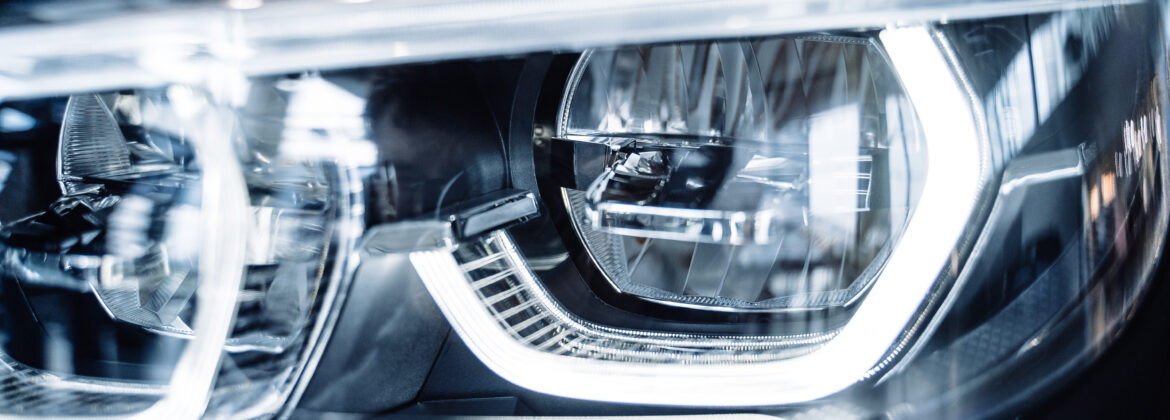
Driving at night, especially on the winding roads leading into the Hayward and East Bay hills or the busy, often poorly lit stretches of the I-880, presents unique challenges. Reduced visibility is a major factor in nighttime accidents. Fortunately, modern car lighting technology has advanced far beyond simple high and low beams. In this article, we will learn more about adaptive lighting systems.
A Guide from Audiomobile Hayward: Seeing the Road Ahead Clearly
The most significant leap forward is the Adaptive Lighting System (ALS), a technology that transforms static headlights into intelligent, dynamic tools that actively respond to your driving environment.
At Audiomobile Hayward, we specialize in integrating the latest automotive technology, from advanced car audio installation to sophisticated electrical and lighting upgrades. We believe that better visibility means safer driving, and this guide will explain how ALS works, why it is essential for night driving safety tips, and how you can benefit from adaptive lighting installation in Hayward.
What is Adaptive Lighting? The Technology Behind the Safety
Adaptive Lighting Systems, often referred to as Adaptive Front-lighting Systems (AFS) or Adaptive Driving Beams (ADB), are intelligent headlight systems that automatically adjust the direction, intensity, and shape of the light beam based on various factors. This is the core of what adaptive headlights explain: they are not just on or off; they are smart.
1. Adaptive Front-lighting System (AFS)
The AFS is the most common form of adaptive lighting. Its primary function is to adjust the direction of the headlight beam in response to the steering wheel angle.
• How it Works: Sensors monitor the vehicle’s speed, steering angle, and yaw rate. When you turn the steering wheel, small motors pivot the headlight beams into the curve.
• The Benefit: On a dark, winding road, traditional headlights only illuminate the area directly in front of the car. AFS illuminates the road into the turn, giving the driver precious extra seconds to see obstacles, pedestrians, or wildlife. This is a crucial safety feature for drivers navigating the varied terrain around Hayward.
For even better corner illumination and safety awareness, you can also explore our Overlanding Lighting Setup Guide, which highlights the best lighting setups for off-road and curved-road conditions.
2. Adaptive Driving Beam (ADB) or Matrix LED
ADB represents the cutting edge of modern car lighting technology. Instead of simply switching between high and low beams, ADB systems use an array of individually controlled LEDs (often called a matrix or pixel system) to constantly shape the light beam.
• How it Works: A camera mounted on the windshield detects oncoming traffic or vehicles ahead. The system then selectively dims or shuts off only the specific LEDs that would shine light directly into the other driver’s eyes. The rest of the high beam remains on, maximizing the driver’s visibility without blinding others.
• The Benefit: This system allows you to drive with your “high beams” on virtually all the time, ensuring maximum illumination of the road, shoulders, and signs, while simultaneously protecting the night driving safety of every other driver on the road.
If you are looking for more safety upgrades, you can also check out our article on Enhancing Safety on the Road: Blind Spot Mirrors Importance in Hayward.
The Evolution of Automotive Lighting Technology
To truly appreciate adaptive lighting, it helps to understand the journey of automotive headlamps. The shift from older, less efficient bulbs to modern, intelligent systems is driven entirely by the pursuit of safety and efficiency.
| Lighting Technology | Light Source | Key Characteristics | Adaptive Capability |
| Halogen | Tungsten Filament | Inexpensive, warm light, shortest lifespan. | None (Static) |
| HID/Xenon | Gas Discharge | Brighter than halogen, cooler light requires a ballast. | Limited (can be used in basic AFS pivoting systems) |
| LED | Light-Emitting Diode | Highly efficient, long lifespan, instant on/off, compact size. | High (essential for Matrix/ADB systems) |
| Laser | Laser Diode | Extremely bright, longest throw, and most energy-efficient. | Highest (used in advanced ADB systems for maximum range) |
The compact size, high efficiency, and instant response of LED technology are what make modern adaptive systems possible. Without LEDs, the complex, rapid adjustments required by AFS and ADB would be impossible to achieve.
For a better understanding of how lighting technology integrates with other car electronics, explore our post on Car Professional Installation Importance for Modern Electronics and Infotainment Systems.
Night Driving Safety Tips: Why ALS is Your Best Upgrade
For drivers in the Hayward area, where commutes can involve everything from dense urban streets to dark, unlit residential areas, the safety benefits of ALS are clear.
1. Reduced Driver Fatigue
Driving at night is inherently more tiring because the eye is constantly struggling to process low-light information. By providing a consistently bright, optimally directed beam of light, ALS reduces the strain on the driver’s eyes, leading to less fatigue and better reaction times.
2. Enhanced Peripheral Vision
When navigating a curve, AFS illuminates the side of the road where you are turning. This is critical for spotting hazards that traditional lights would miss, such as:
• Pedestrians or cyclists on the shoulder.
• Debris or potholes in the road.
• Road signs that are not directly ahead.
3. Protection Against Blinding
The ADB system’s ability to “shadow” other vehicles means you can use the full power of your high beams without worrying about dazzling oncoming drivers. This is a massive improvement in night driving safety, as it eliminates the need for the driver to constantly switch between high and low beams, which can be a distraction in itself.
If safety is your priority, you may also like our blog on Does Your Car Need an Auxiliary Lighting Upgrade in Winter?.
The Audiomobile Hayward Advantage: Expert Lighting Upgrades
While many new luxury vehicles come equipped with adaptive lighting, most cars on the road do not. The good news is that car lighting upgrades are one of our specialties at Audiomobile Hayward.
Upgrading your vehicle to an adaptive or high-performance lighting system is a complex electrical and mechanical task that should only be handled by professionals.
Why Choose Audiomobile Hayward for Adaptive Lighting Installation?
1. Electrical Expertise: Adaptive lighting systems require precise wiring, integration with the vehicle’s CAN bus system (to read speed and steering angle data), and often, the installation of a dedicated control module. Our team has deep expertise in electrical and lighting systems, ensuring a seamless and safe integration that won’t interfere with your car’s other electronics. We handle complex tasks like electrical troubleshooting daily.
2. Sensor Calibration: After installing the new hardware, the system must be calibrated to your vehicle’s specific geometry. Our technicians use specialized tools to ensure the adaptive motors and sensors are perfectly aligned for optimal performance and compliance with safety regulations.
3. Aesthetic Integration: We ensure that all components, including the new headlamp assemblies and any necessary wiring, are installed cleanly and discreetly, maintaining the factory look of your vehicle.
4. Comprehensive Service: As a full-service shop, we can bundle your lighting upgrade with other safety and security enhancements, such as dashcam installation, blind spot detection, or a Compustar and Viper Security System, all of which rely on flawless electrical integration.
Adaptive Lighting Installation in Hayward
If you are looking to significantly improve your night driving safety and upgrade your vehicle with the latest modern car lighting technology, an adaptive lighting system is one of the best investments you can make. It’s not just about aesthetics; it’s about reducing risk and increasing your confidence on the road.
Do not settle for static, outdated headlights. Let the experts at Audiomobile Hayward illuminate your drive. You can also learn more about our other upgrades, like DSP Tuning Guide: How DSP Tuning Can Transform Your Daily Commute Experience, to create a complete modern driving experience.
Contact Audiomobile Hayward today to learn more about our car lighting upgrades and to schedule your professional adaptive lighting installation in Hayward.
Frequently Asked Questions
1. How long does dash cam footage usually stay saved before it gets overwritten?
Most dash cams record on a loop, meaning older footage is replaced once storage is full. The duration depends on your memory card size and video resolution. For instance, a 128GB card can store about 10–15 hours of 1080p footage. Using a G-sensor to lock critical clips ensures they won’t be deleted.
Visit our Facebook and Instagram accounts to check out more insights, tips, and portfolio.
2. What type of memory card should I use for my dash cam?
It’s best to use a high-endurance microSD card, designed specifically for continuous video recording. Standard cards wear out faster. A Class 10 or UHS-I card from reputable brands like SanDisk or Samsung is ideal for reliability and speed.
3. Can extreme temperatures affect dash cam performance?
Yes, heat and cold can impact dash cam operation and battery life. Always choose models with supercapacitors instead of lithium-ion batteries for better durability in varying weather. For related protection tips, read our Ceramic vs. Standard Tint: Which Is Better for California Weather?.
4. Is dash cam footage accepted as evidence by insurance companies and law enforcement?
Absolutely. Clear, timestamped footage is often used to resolve disputes, verify fault, or support claims. You can learn how footage impacts your premiums in our Dashcams and Insurance: How Smart Video Evidence Can Lower Your Premium.
5. How do I maintain or clean my dash cam lenses?
Use a microfiber cloth and lens-safe cleaning solution once a week. Avoid abrasive cleaners. Keeping your windshield and lens clean ensures crisp recordings, which is especially important for identifying license plates and road signs.
6. What should I do if my dash cam keeps shutting off or failing to record?
Power issues are common when dash cams aren’t hardwired properly. Have a technician check the wiring and voltage cutoff settings. If you suspect an electrical issue, refer to our What to Expect During an Electrical Diagnostic Check at Audiomobile Hayward.
David Trinh