
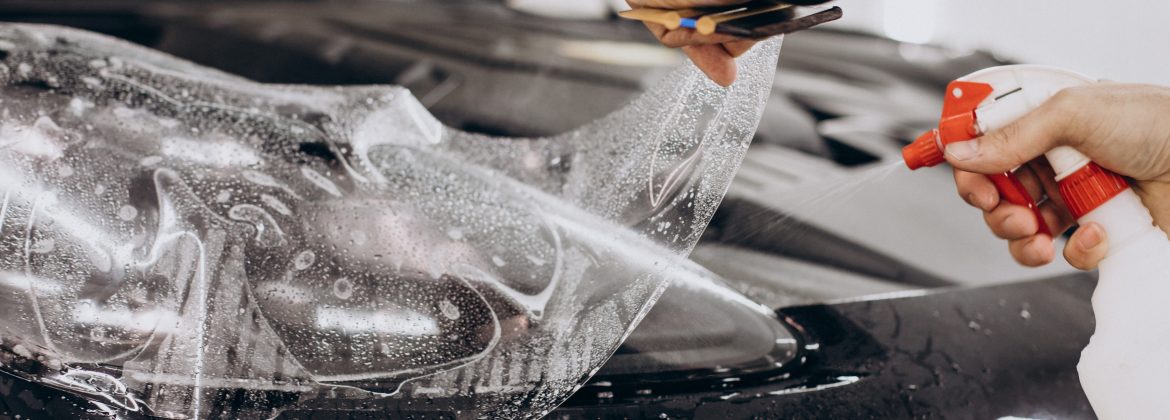
Summer in Hayward hits differently than most people expect. You park your car for a couple of hours, come back, and open the door to a wave of trapped heat. The steering wheel is almost too hot to grab. The dashboard is radiating warmth. Your AC needs five minutes just to make the cabin bearable. If this happens every single time, window tint is not just a cosmetic upgrade, but it’s a practical one. Ceramic window tint is one of the most effective upgrades Hayward drivers consider before summer, especially when comparing it with standard tint options.
Call +1 510-839-1992 to book your appointment now!
The problem most Hayward drivers run into is figuring out which type of tint actually works. Walk into any shop, and you will hear about standard tint, ceramic tint, carbon film, and metalized options. The choices sound similar until you actually live with one of them through a long East Bay summer.
This guide breaks down the real differences between ceramic window tint and standard tint and what each one does, where it falls short, and which one makes sense for how you drive and how you park. If you want the short version: ceramic tint almost always outperforms standard tint in actual heat conditions. But the full picture is more nuanced, and the right choice depends on your vehicle, your budget, and how long you plan to keep the car.
Why Window Tint Matters More in Hayward Than You Think
Hayward sits in the East Bay of the San Francisco Bay Area. While the coastal fog keeps some neighborhoods cooler, Mission Boulevard and many inland areas absorb strong midday sun for extended hours. Cars parked outdoors with no shade face direct solar exposure that can push interior temperatures well above 130 degrees Fahrenheit on a warm day.
That level of heat causes more than discomfort. It degrades your dashboard over time, cracks leather and vinyl, bleaches upholstery, and forces your AC system to work harder on every drive. Drivers who commute or park outside daily will notice the cumulative effect within a few years.
Beyond heat, UV radiation is the other major factor. Even on cloudy days, UV passes through untreated glass and affects both your interior and your skin. Most standard windshields block some UV, but side and rear windows offer very limited protection without a film applied.
If you are already exploring options, you can review the professional window tint installation services in Hayward available at Audiomobile to understand what’s offered before committing to a product.
What Does Standard Window Tint Actually Do?
Standard window tint, often called dyed film, is the most common and affordable entry point for vehicle tinting. It works by absorbing sunlight. The dye layer catches incoming light before it fully penetrates the glass and heats your cabin.
It’s a straightforward solution that delivers a clear visual upgrade. Your car looks sleeker. You get better privacy. Glare is noticeably reduced on bright days. For drivers on a tight budget who want basic improvement without a high upfront cost, dyed film makes sense.
Where standard tint falls short is in actual heat performance. Once temperatures climb significantly, the dye layer absorbs so much heat that it begins to radiate that warmth back into the cabin. You feel some relief compared to no tint, but on the hottest Hayward afternoons, the difference is modest.
There’s also a longevity issue. Dyed film fades over time. The dye breaks down with prolonged UV exposure, and many drivers notice their tint turning a slightly purple hue within two to four years. Once that starts, the film stops performing as well optically and cosmetically. To understand why this happens with certain films, it helps to read about why some window tints fade faster and how to prevent it.
What Is Ceramic Window Tint and How Does It Work Differently?
Ceramic tint uses a completely different technology. Instead of dye, the film contains nano-ceramic particles that are embedded into the film layers. These particles target and block infrared radiation, the part of sunlight that generates most of the heat you feel inside your car.
This distinction matters enormously in practice. Infrared radiation passes right through dyed film without being blocked. Ceramic particles intercept it at the glass level and prevent it from converting into cabin heat. The result is that a car with ceramic tint parked in the same spot for the same amount of time will be noticeably cooler inside than one with standard film.
The main benefits drivers experience with ceramic tint:
- Significantly lower cabin temperatures, even under direct afternoon sun
- Up to 99% UV rejection, which protects both interior materials and skin
- No signal interference, unlike metalized tints, ceramic film doesn’t disrupt GPS, mobile data, or satellite radio
- Color stability because ceramic films do not fade or turn purple over time
- Maintained visibility day and night as lighter ceramic tints outperform darker standard films in actual heat reduction
For a broader look at how ceramic technology benefits drivers in California’s climate, the breakdown of ceramic tint benefits for California drivers covers this in detail.
The Numbers Behind the Tint: How to Read Performance Specs
Most drivers skip the spec sheet entirely and choose based on how dark a sample looks. That’s understandable, but it leads to disappointment. A film that looks dark and dramatic in a shop might perform poorly in actual heat. A lighter ceramic film might look understated but keep your car 20 to 30 degrees cooler.
Here are the four numbers that actually tell you how a tint performs:
VLT (Visible Light Transmission) – This measures how much light passes through the film. Lower VLT means a darker tint. VLT is mainly a legal and visibility consideration, not a heat indicator.
UV Rejection – The percentage of ultraviolet radiation the film blocks. Both ceramic and higher-end standard films score well here. Look for 99% or above.
IR Rejection – The percentage of infrared radiation blocked. This is where ceramic tint dominates. Standard dyed film scores are very low here. Ceramic films can achieve 90% or higher IR rejection.
TSER (Total Solar Energy Rejection) – This is the most useful overall metric. It reflects the total percentage of solar energy (including UV, visible light, and infrared) that the film blocks. A film with high IR rejection but low TSER may still transfer significant heat into the cabin. High TSER means real-world comfort.
When comparing tint options, always ask for the TSER rating alongside the IR number. A film marketed as blocking 95% of infrared can still have a mediocre TSER if it performs poorly in the visible light spectrum. Total solar energy rejection gives you the complete picture.
Does Darker Tint Actually Keep Your Car Cooler?
This is the most common misconception in the window tint space, and it costs a lot of drivers money. A darker tint does not equal better heat rejection.
Darkness refers to visible light transmission, not infrared performance. You can have a very dark standard dyed film with minimal heat rejection, and a moderately light ceramic film that dramatically outperforms it in actual cabin temperature.
Heat enters your car primarily through infrared radiation, and that type of energy is not controlled by how dark a film appears to the eye. Ceramic particles block infrared regardless of how light or dark the visible tint looks. This is why you’ll often hear ceramic tint described as providing a ‘cool in the shade’ feeling even on windows that appear barely tinted.
For Hayward drivers who need to stay within California’s legal VLT requirements while still wanting real heat protection, this distinction is especially important. You can install a legal, lighter ceramic film and get far better performance than a dark, illegal standard film that gets you in trouble at a traffic stop and still leaves your car hot.
California Window Tint Laws: What’s Legal in Hayward?
California has specific rules about how dark you can tint your windows, and they vary based on which windows you’re tinting. Before booking any installation, it helps to know the basics:
- Front side windows must allow at least 70% of light in (VLT of 70% or higher)
- Rear side windows and the rear window have no darkness limit for passenger vehicles
- Windshield tinting is only allowed in the top 4 inches as a sun strip
- Reflective or mirrored tints have additional restrictions and are generally not permitted on most windows
Violating the California tint law can result in a fix-it ticket and required removal. More practically, illegal front window tint creates a visibility hazard at night and in rainy conditions that affects your safety.
A professional shop handles compliance automatically. They know which films are legal for which windows and can explain your options within the legal range. For a detailed current overview, the California window tint law guidelines for 2025 are worth reviewing before your appointment.
Which Type of Driver Actually Benefits Most from Ceramic Tint?
Not every vehicle owner has the same need, and the right tint depends on how you use your car.
Daily commuters and highway drivers benefit the most from ceramic tint. Long hours behind the wheel in direct sun are where the temperature difference and UV protection translate most directly into comfort and long-term health.
Families with children have an additional reason to invest in ceramics. Kids are especially sensitive to UV exposure, and rear window ceramic film creates a significantly safer environment for passengers in the back seat.
Truck and SUV owners with large glass surface areas see amplified results. More glass means more sun exposure, which means ceramic technology delivers a proportionally larger benefit.
Overlanding and off-road drivers who spend time on exposed trails and remote roads, often far from shade, gain practical value from maximum heat rejection and durable film that can handle vibration and temperature variation.
New and premium vehicle owners who want to protect their interior investment and resale value benefit from ceramic’s ability to preserve dashboards, leather, and factory materials that degrade under prolonged UV exposure.
Budget-focused drivers who park mostly in shaded or garage environments and drive limited hours may find that standard tint is a perfectly adequate option that fits their situation without the premium cost.
Night Driving, Visibility, and Safety Considerations
One concern drivers raise when thinking about tint is nighttime visibility. This is a legitimate issue, especially with very dark films applied to windows you need to see through while driving.
Ceramic tint’s advantage here is that you can achieve high heat rejection with a lighter VLT. A ceramic film at 35% VLT rejects far more heat than a standard film at 20% VLT, but it also maintains better nighttime clarity for the driver. You are not forced to choose between a car that stays cool and one that’s safe to drive after dark.
Standard dark films at low VLT can create real visibility challenges in rain, on poorly lit roads, or when making lane changes at night. If you are going with standard film and prioritizing darkness for privacy, be honest with yourself about whether that trade-off makes sense for your driving conditions.
The safest approach for Hayward drivers is ceramic film at a VLT that keeps front windows at or above the legal 70% threshold while applying darker film on rear windows where visibility restrictions are less critical.
Cost, Lifespan, and Long-Term Value
The price difference between ceramic and standard tint is real, and it’s worth understanding what you’re actually paying for.
Standard dyed film installation for a sedan typically runs in the range of $150 to $300, depending on the shop, the number of windows, and the film brand. It’s accessible and gets the job done for basic needs.
Ceramic tint for the same vehicle typically runs $350 to $700 or more, depending on film quality, brand, and number of windows treated. For trucks, SUVs, or vehicles with complex rear window shapes, costs rise accordingly.
But the cost comparison doesn’t end at installation. Standard dyed film may need replacement within three to five years as it fades and loses performance. Ceramic film, maintained correctly, can last the life of the vehicle with no performance degradation. If you replace standard tint twice over ten years, the total cost often exceeds a single ceramic installation.
Professional installation also matters regardless of film type. Even the best ceramic film will bubble, peel, or look amateurish if applied without the right preparation, proper cut, and controlled conditions. A clean, precise install done at a shop with experienced technicians is what separates a film that lasts a decade from one that starts peeling in eighteen months.
If you’re weighing whether the upgrade is worth it for your situation, you can also explore what Audiomobile offers across its full range of vehicle upgrade and security services to understand how window tint fits within a broader vehicle improvement plan.
When Should You Book Your Tint Before Summer?
The practical answer is: earlier than you think.
Spring is the busiest booking period for window tint shops in the Bay Area. Drivers who wait until June or July often find themselves waiting weeks for an appointment or settling for a rushed job during peak demand.
April and May are the ideal windows to book in Hayward. Temperatures are starting to climb, but shops have not hit their busiest stretch yet. You will get a more attentive installation, better scheduling flexibility, and your car will be ready before the real heat arrives.
You should particularly consider booking now if your current tint is already showing signs of purple coloring, bubbling, or reduced clarity. Degraded film stops providing meaningful protection and gives your car an unfinished look. Removing and replacing it is a straightforward job for an experienced shop.
To learn more about what to expect from the window tint installation process at Audiomobile in Hayward, or to ask about scheduling, the team is available by phone or in person at 24031 Mission Blvd.
Making the Right Choice for Your Vehicle
Ceramic window tint and standard tint both have a legitimate place depending on your needs and budget. But when Hayward drivers ask which one actually performs better through a hot summer, the answer is consistently ceramic.
The technology difference is not subtle. Infrared blocking, UV rejection, long-term durability, and signal compatibility all favor ceramic film by a significant margin. For drivers who use their vehicles daily, park outside regularly, and want protection that holds up over multiple years, ceramic is the investment that makes sense.
Standard film remains a reasonable starting point for budget-conscious drivers with limited sun exposure or shorter ownership horizons. It provides visible glare reduction and basic privacy at a lower upfront cost. Just go in knowing the limitations.
Audiomobile has been serving the Hayward and East Bay area since 1975. The team handles window tint as part of a broader expertise in vehicle electronics, overlanding builds, car audio, and security systems. If you are ready to upgrade before summer, or want an honest assessment of your current tint’s condition, stop by the shop or give them a call. You will get a straight answer about what works for your specific vehicle.
Frequently Asked Questions
Is ceramic window tint worth the extra cost in Hayward?
For most Hayward drivers who park outside and commute regularly, yes. The heat rejection difference between ceramic and standard dyed film becomes very apparent during Bay Area summers. Ceramic tint also lasts significantly longer, which often makes the total cost comparable or lower over five to ten years when you factor in the need to replace degraded standard film.
How long does ceramic window tint last?
High-quality ceramic window tint installed professionally can last the lifetime of your vehicle when properly maintained. Unlike dyed film, ceramic particles do not break down with UV exposure, so you won’t see fading, purple discoloration, or performance degradation over time. Most manufacturers offer lifetime warranties on premium ceramic products.
Will window tint make a noticeable difference in how hot my car gets?
Yes, especially ceramic tint. Standard film reduces some heat, but ceramic film targets infrared radiation. The primary source of cabin heat buildup. Drivers who switch from no tint to ceramic often report a 20 to 30 degree reduction in peak cabin temperature. The difference is most noticeable after the car has been parked in direct sun for an extended period.
Does ceramic tint affect GPS or cell phone signal?
No. This is a common concern with metalized tints, which use metallic particles that can interfere with radio frequency signals. Ceramic tint uses non-conductive ceramic particles and has no effect on GPS, mobile data, satellite radio, or EZ-Pass transponders.
What VLT tint is legal on front windows in California?
California law requires front side windows to allow at least 70% of light through, meaning the maximum darkness allowed is VLT 70. Rear side windows and the rear window have no darkness limit for standard passenger vehicles. The windshield can only be tinted in the top 4 inches as a sun strip.
How do I know if my current window tint needs to be replaced?
The clearest signs are purple or brown discoloration, visible bubbling, peeling at the edges, reduced clarity, or significant fading. If any of these are present, the film has broken down and is no longer performing correctly. A professional shop can assess the condition and let you know whether the film is worth keeping or should be replaced.
Can window tint be applied to all windows, including the windshield?
California law restricts windshield tinting to the top 4 inches as a sun visor strip. Full windshield tinting is not permitted. All other windows can be tinted within their legal VLT limits, and rear windows on most passenger vehicles have no darkness restriction.
How long does professional window tint installation take?
For most standard passenger vehicles, a complete window tint installation takes 2 to 4 hours. Larger vehicles like trucks, SUVs, or vans with complex rear window shapes may take longer. Your installer should give you a realistic time estimate when you book, so you can plan accordingly.
What’s the difference between IR rejection and TSER, and which one should I focus on?
IR rejection measures how much infrared radiation a film blocks, while TSER (Total Solar Energy Rejection) accounts for all solar energy, UV, visible light, and infrared combined. TSER is the more complete and reliable indicator of real-world heat performance. A film with high IR rejection but low TSER may still allow significant total heat into your vehicle.
Does window tint protect the interior of my car?
Yes, significantly. UV radiation causes dashboard cracking, leather fading, upholstery bleaching, and premature wear on interior materials. Ceramic window tint blocks up to 99% of UV, which directly slows down this deterioration. For drivers looking to maintain resale value or protect a premium interior, UV protection is one of the strongest practical arguments for window tinting.
You can also check out our latest installations and project updates on Facebook and Instagram to see the quality of our work firsthand.
Call +1 510-839-1992 to book your appointment now!
David Trinh