

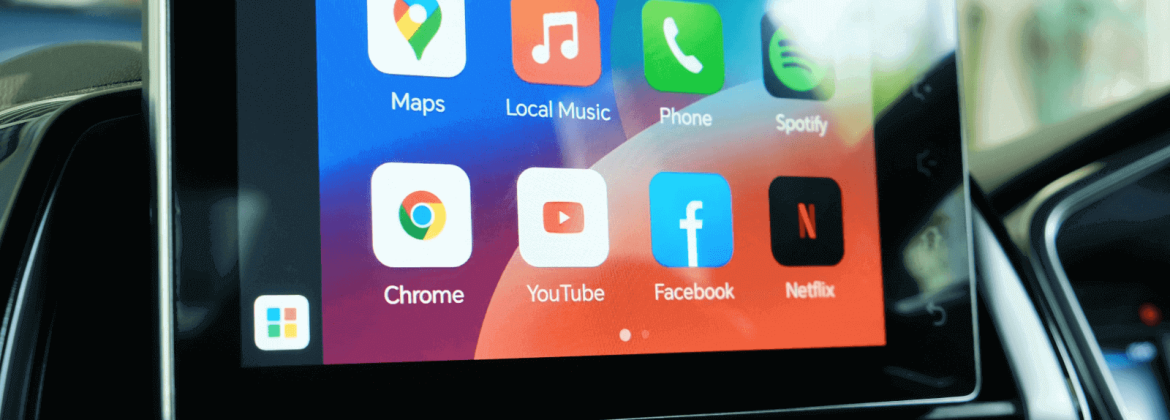
Modern driving is no longer just about getting from one place to another. Today, drivers expect a connected and comfortable in-car experience with high-quality sound and seamless smartphone integration. This is why car stereo installation Hayward has become one of the most in-demand upgrades for drivers looking to improve audio quality, add Apple CarPlay or Android Auto, and modernize their vehicle’s infotainment system. Whether you drive a newer vehicle with limited features or an older car that lacks modern technology, upgrading your stereo system can significantly enhance your daily driving experience.
Call +1 510-839-1992 to book your appointment now!
This is where car stereo and infotainment installation in Hayward becomes an important upgrade. Whether you drive a newer vehicle with limited features or an older car that lacks modern technology, upgrading your audio and infotainment system can significantly improve your driving experience.
From Apple CarPlay and Android Auto integration to advanced DSP tuning and custom audio systems, modern upgrades can transform how your vehicle sounds and feels. This guide explains everything you need to know about upgrading your car stereo system, what options are available, and why professional installation makes a difference.
What Is Car Stereo and Infotainment Installation
Car stereo and infotainment installation refers to upgrading or replacing your vehicle’s factory audio system with a more advanced setup that improves sound quality, connectivity, and usability.
A modern infotainment system can include the following:
- touchscreen displays
- Apple CarPlay or Android Auto integration
- Bluetooth connectivity
- navigation systems
- backup camera integration
- voice-control features
At the same time, audio upgrades can include:
- High-performance speakers
- Subwoofers
- Amplifiers
- Digital signal processors
Many drivers begin exploring upgrades after realizing the limitations of factory systems, especially when comparing them with aftermarket solutions discussed in Factory Integration vs Full System Replacement: What’s Right for Your Vehicle.
Why Drivers in Hayward Upgrade Their Car Stereo Systems
There are several reasons why drivers choose to upgrade their car stereo and infotainment systems.
Better Sound Quality
Factory-installed audio systems are often designed to meet cost constraints rather than deliver premium sound. This results in limited bass, unclear vocals, and reduced overall clarity.
Upgrading speakers, amplifiers, and tuning systems can significantly improve sound performance, making music more detailed and enjoyable.
Modern Connectivity Features
Many older vehicles lack modern connectivity features such as smartphone integration. Upgrading the infotainment system allows drivers to access:
- Apple CarPlay
- Android Auto
- hands-free calling
- music streaming apps
Drivers comparing these platforms often refer to Apple CarPlay vs Android Auto: OEM & Aftermarket Wireless Systems Explained for Bay Area Drivers.
Improved Driving Convenience
Infotainment upgrades improve usability by providing:
- larger touchscreen displays
- voice command functionality
- easy access to navigation
This reduces distractions and helps drivers stay focused on the road.
Upgrading Older Vehicles
Older vehicles can benefit the most from infotainment upgrades. Adding a modern stereo system can bring features that were not available when the vehicle was manufactured.
Many drivers explore this option after reading Audio Upgrades for Older Cars: What to Know Before You Replace Your Radio in Hayward.
How to Choose the Right Car Stereo and Infotainment System
Choosing the right car stereo system depends on your vehicle, driving habits, and the features you value most. With so many options available, it is important to focus on what will actually improve your daily driving experience.
Start by identifying your priorities. Some drivers want better sound quality, while others are focused on connectivity features like Apple CarPlay or Android Auto. If you frequently use navigation, music streaming, or hands-free calling, a system with strong smartphone integration is essential.
Budget also plays a key role. Entry-level systems can provide basic functionality, while premium setups offer larger displays, wireless connectivity, and advanced sound tuning options. It is also important to consider future upgrades. Choosing a system that allows you to add amplifiers, subwoofers, or DSP tuning later can save time and money in the long run.
Ultimately, the best system is one that fits your vehicle properly, supports the features you need, and delivers consistent performance over time.
Types of Car Stereo and Infotainment Upgrades
Understanding the different types of upgrades helps drivers choose the right system for their needs.
Head Unit Replacement
The head unit is the central control system of your car’s audio setup. Replacing the factory head unit allows you to add:
- touchscreen displays
- smartphone integration
- improved interface controls
Modern head units support wireless connectivity and advanced features that enhance the driving experience.
Speaker Upgrades
Replacing factory speakers with high-quality aftermarket options improves clarity and sound depth.
Benefits include:
- clearer vocals
- better high frequencies
- improved midrange performance
Subwoofers and Amplifiers
For drivers who want stronger bass and more powerful sound, adding subwoofers and amplifiers is essential.
These components provide:
- deeper bass response
- increased volume without distortion
- better overall audio balance
Digital Signal Processing (DSP)
DSP tuning is one of the most impactful upgrades for improving audio quality.
It allows precise control over:
- sound frequencies
- speaker timing
- audio balance
Drivers looking to enhance sound performance often explore DSP Tuning Guide: How DSP Tuning Can Transform Your Daily Commute Experience.
Vehicle Compatibility: What You Need to Know Before Upgrading
Before upgrading your car stereo, it is important to understand how your vehicle’s design affects compatibility.
One of the first factors is dashboard size. Vehicles typically support either single DIN or double DIN head units, and choosing the correct size ensures a proper fit. In many cases, installation kits are required to securely mount aftermarket systems.
Modern vehicles also use complex electronic systems such as CAN bus networks, which control features like steering wheel buttons and factory displays. Ensuring that your new system integrates with these features is essential for maintaining functionality.
Some vehicles, especially luxury models, come with factory amplifiers or proprietary systems that require additional adapters for proper integration. Without the right components, audio quality and system performance may be compromised.
Understanding these compatibility factors helps avoid installation issues and ensures a seamless upgrade.
Apple CarPlay and Android Auto Integration
One of the most popular infotainment upgrades is smartphone integration.
Apple CarPlay
Apple CarPlay allows iPhone users to connect their devices to the car’s display and access the following:
- maps
- calls
- messages
- music
Drivers interested in its benefits can learn more from Top Six Benefits of Installing an Apple CarPlay in Your Vehicle.
Android Auto
Android Auto provides similar functionality for Android users, offering seamless integration with Google services.
Both systems improve convenience and safety by reducing the need to interact directly with your phone while driving.
Wired vs Wireless CarPlay and Android Auto
When upgrading to Apple CarPlay or Android Auto, drivers often choose between wired and wireless connectivity.
Wired systems connect your phone directly using a cable. This provides a stable connection and consistent performance, especially for navigation and audio streaming. It also keeps your phone charged during use.
Wireless systems offer greater convenience by connecting automatically without cables. This creates a cleaner interior setup and allows for seamless connectivity when entering the vehicle.
However, wireless systems may use more battery power and can occasionally experience minor delays depending on the device and environment.
Both options have advantages, and the right choice depends on your preference for convenience, reliability, and daily usage habits.
Choosing the Right Display: Floating vs Flush Screens
Display design plays an important role in both aesthetics and usability.
Floating Screens
Floating screens sit above the dashboard and provide the following:
- Larger display sizes
- Modern appearance
- Better visibility
Flush Screens
Flush-mounted screens integrate into the dashboard for a more factory-like look.
Drivers comparing these options often review Floating vs Flush Stereo Screen: Complete Guide to Determine Which Design Fits Their Vehicle.
Factory Integration vs Full Replacement
When upgrading your infotainment system, you can either integrate with the factory system or replace it entirely.
Factory Integration
This approach keeps certain factory features intact while adding new functionality.
Full Replacement
This option replaces the entire system with aftermarket components for maximum performance and customization.
Each approach has its advantages depending on the vehicle and driver preferences.
Voice-Controlled Audio Systems
Voice control is becoming an essential feature in modern vehicles.
It allows drivers to:
- Control music
- Navigate routes
- Make calls
This improves safety by reducing the need for manual interaction.
Drivers interested in this technology can explore Voice-Controlled Audio Systems: Making Your Drive Smarter in Hayward.
How Infotainment Systems Integrate With Other Vehicle Features
Modern infotainment systems do more than just play music. They often integrate with multiple vehicle features to improve convenience and safety.
One of the most common integrations is with backup cameras. Upgraded systems can display a clear rear view when reversing, making parking safer and easier.
Steering wheel controls can also be retained, allowing drivers to adjust volume, change tracks, or answer calls without taking their hands off the wheel.
Some systems can integrate with dash cameras, providing display access and easier control of recording features.
Parking sensors, navigation systems, and factory displays can also be connected, depending on the vehicle and system configuration.
This level of integration creates a more connected driving experience and enhances overall functionality
Installation Challenges in Modern Vehicles
Installing car stereo systems is not always straightforward, especially in modern vehicles.
Common challenges include:
- Complex wiring systems
- Integration with factory electronics
- Compatibility with steering wheel controls
- Dashboard fitting limitations
These challenges highlight the importance of proper installation techniques.
What Happens During a Professional Car Stereo Installation
Understanding the installation process helps drivers feel more confident when upgrading their vehicle.
The process usually begins with a detailed inspection of the vehicle to identify compatibility requirements and wiring configurations. Based on this, the appropriate components and installation methods are selected.
Next, the existing system is carefully removed, and new components are installed using proper mounting hardware and wiring connections. This includes integrating the system with factory controls such as steering wheel buttons and existing displays, when applicable.
After installation, the system is calibrated to optimize sound quality and performance. This includes adjusting audio settings, balancing speaker output, and testing all features.
Finally, the system is thoroughly tested to ensure everything works correctly. This step ensures long-term reliability and consistent performance.
Common Mistakes to Avoid When Upgrading Your Car Stereo
Upgrading your car stereo can significantly improve your driving experience, but certain mistakes can limit the results.
One common mistake is choosing components based only on price. Low-cost head units or speakers often lack durability and sound quality, leading to disappointment over time.
Another mistake is ignoring system balance. Installing high-end speakers without proper amplification or tuning can result in uneven sound performance. Each component should work together as part of a complete system.
Poor wiring practices are also a major issue. Loose connections, exposed wires, or incorrect fuse usage can cause system failures or electrical problems.
Improper placement of speakers and subwoofers can further affect sound quality. Without correct positioning and calibration, even high-quality equipment may not perform as expected.
Avoiding these mistakes ensures that your upgrade delivers the performance and reliability you expect.
Why Professional Installation Matters
Professional installation ensures that all components work together seamlessly.
Benefits include:
- Proper wiring and connections
- Clean and secure installation
- Correct system calibration
- Long-term reliability
Many drivers understand this after reading Why Professional Car Stereo Installation Hayward Is Worth the Investment.
Cost of Car Stereo Installation in Hayward
Costs vary depending on the type of upgrade.
Typical ranges:
- head unit replacement: $300 to $1000+
- speaker upgrades: $200 to $800+
- full audio system: $1000 to $3000+
- DSP tuning: varies based on system complexity
Professional installation ensures that your investment delivers the best possible results.
How Sound Tuning Improves Audio Quality
Sound quality is not determined by hardware alone. Proper tuning plays a major role in how your system performs.
Equalization allows adjustments to different sound frequencies, helping balance bass, midrange, and high tones for a clearer listening experience.
Time alignment ensures that sound from each speaker reaches your ears at the same time. This creates a more natural and immersive soundstage.
Crossover settings control how audio frequencies are distributed between speakers and subwoofers. This prevents distortion and improves clarity.
When these elements are properly adjusted, even a modest system can deliver impressive sound quality.
Is Car Stereo Installation Worth the Investment
Many drivers wonder whether upgrading their car stereo is worth the cost.
In most cases, the answer is yes. A well-installed system improves daily driving comfort and enhances the overall experience inside the vehicle.
Upgrades such as Apple CarPlay, Android Auto, and improved audio systems provide long-term value by making the vehicle more enjoyable and functional.
In some cases, these upgrades can also improve resale value, especially when professionally installed.
Most importantly, a properly installed system delivers consistent performance and reliability, making it a worthwhile investment for drivers who value quality and convenience.
Best Upgrades for Older Vehicles
Older vehicles benefit significantly from infotainment upgrades.
Recommended upgrades include:
- Apple CarPlay or Android Auto systems
- Backup camera integration
- Speaker and amplifier upgrades
- DSP tuning
These upgrades bring modern functionality to vehicles that originally lacked these features.
Future Trends in Car Infotainment Systems
Car infotainment technology continues to evolve rapidly, bringing new features and capabilities to modern vehicles.
Wireless connectivity is becoming more common, allowing seamless integration between devices and vehicle systems.
Voice assistants are becoming more advanced, enabling drivers to control multiple functions using simple voice commands.
Larger displays and fully digital dashboards are also becoming standard, offering improved usability and a more modern driving experience.
As electric vehicles and smart technologies continue to develop, infotainment systems will play an even bigger role in how drivers interact with their vehicles.
Frequently Asked Questions
Can I upgrade my car stereo without replacing everything?
Yes. Many upgrades can be done incrementally, such as replacing speakers or adding a DSP system.
Is Apple CarPlay worth installing in older cars?
Yes. It provides modern connectivity features that improve convenience and safety.
How long does installation take?
Most installations can be completed within a few hours, depending on the system complexity.
Will upgrading my stereo affect my car warranty?
This depends on the vehicle and installation method. Professional installation helps avoid issues.
Can I keep my steering wheel controls?
Yes. Many systems allow integration with existing steering wheel controls.
Final Thoughts: Transforming Your Driving Experience
Upgrading your car stereo and infotainment system is one of the most effective ways to improve your driving experience. Whether you want better sound quality, modern connectivity, or enhanced usability, the right system can make a noticeable difference.
For drivers in Hayward, investing in a professionally installed audio and infotainment system ensures that your vehicle is equipped with the features needed for modern driving.
With the right combination of components and proper installation, your vehicle can deliver a comfortable, connected, and enjoyable driving experience every day.
Call +1 510-839-1992 to book your appointment now!
David Trinh