
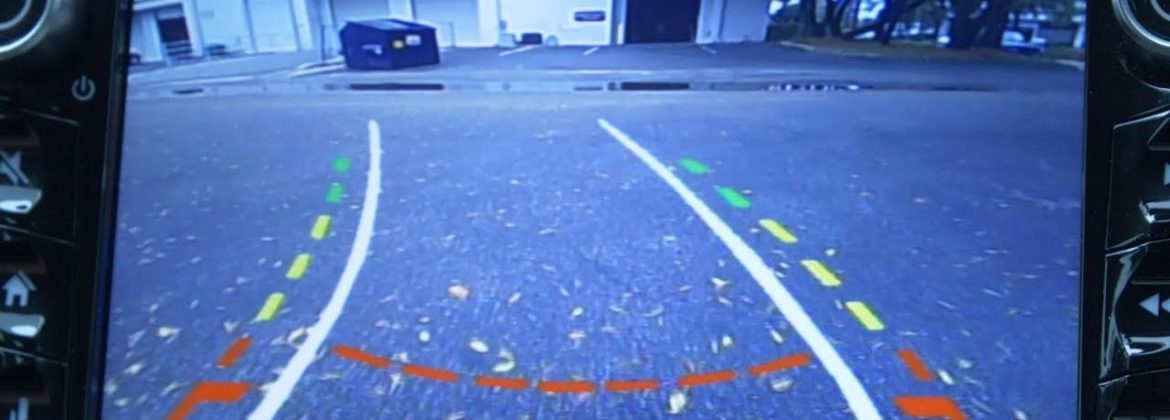
Backing up looks simple until it is not. A driveway with kids playing nearby, a crowded grocery store parking lot, a narrow apartment garage, or a busy downtown curb can turn a routine reverse maneuver into a real safety risk. That is exactly why backup camera installation has gone from nice to have to essential for modern drivers. The National Highway Traffic Safety Administration explains that a backup camera, also called a rearview video system, is designed to help prevent backover crashes by showing the area behind the vehicle, and this technology has been required on all new vehicles since May 1, 2018.
Call +1 510-839-1992 to book your appointment now!
For many drivers in Hayward and across the Bay Area, the question is no longer whether reverse visibility matters. The real question is whether your current vehicle gives you the visibility and confidence you need every day. If you drive an older car, a work truck, a family SUV, or a vehicle with poor rear sight lines, an aftermarket system can deliver a major safety upgrade without forcing you to replace your vehicle. That is why searches for backup camera installation near me, reverse camera installation Hayward, CA, and professional backup camera installation continue to matter for drivers who want modern safety in the vehicle they already own.
At Audiomobile Hayward, backup camera upgrades fit naturally into a broader safety-focused approach that also includes backup camera systems, blind spot monitoring guidance, and professional dash cam installation. When these technologies work together, drivers get better awareness, better confidence, and better protection.
Why backup cameras matter more than many drivers realize
The biggest benefit of a backup camera is simple. It shows what mirrors often cannot. NHTSA notes that backover incidents frequently involve drivers who did not see someone or something behind the vehicle. The agency highlights children and senior citizens as especially vulnerable, and it also reminds drivers that cameras help but do not replace active checking, mirrors, and turning to look.
That point matters because rear blind zones are often much larger than drivers expect. IIHS research found that backup cameras and backup cameras paired with parking sensors reduced the blind zone behind vehicles by around 90 percent on average. The same research also found that large SUVs had the worst rear visibility, while smaller cars had the best.
Real-world crash data supports the value of this technology, too. IIHS reported that rearview cameras reduced police reported backing crashes by 16 percent overall, with older drivers appearing to benefit the most. The same IIHS analysis noted that all new vehicles under 10,000 pounds were required to have rearview cameras by May 2018.
This is one reason backup cameras are no longer just a luxury for premium vehicles. They are part of the modern safety conversation. NHTSA places backup cameras in the same family of driver assistance technologies that help reduce avoidable crashes, and it identifies blind spot warning as another system that helps drivers avoid danger in adjacent lanes.
Who should consider car rearview camera installation
A lot of drivers assume backup cameras are only for oversized SUVs or new parents. In reality, almost every driver can benefit from car rearview camera installation, especially if any of these situations sound familiar.
First, you drive an older vehicle that predates the 2018 rear camera requirement. Many otherwise reliable cars and trucks still lack the visibility tech that newer vehicles now include by default.
Second, you park in tight spaces often. Parallel parking, compact retail lots, apartment complexes, and crowded office garages all demand precise low-speed control. A quality camera gives you a clearer view of curbs, poles, shopping carts, and low objects that are easy to miss from the driver’s seat.
Third, you have a family vehicle. NHTSA warns that many children are killed or seriously injured in backover incidents and advises drivers to walk around the vehicle, check mirrors, roll down windows, and never rely solely on technology. A backup camera adds an important extra layer of awareness in exactly these high-risk moments.
Fourth, you tow gear or use your vehicle for work. Utility trailers, hitch carriers, jobsite equipment, and busy loading zones all make backing more complex. A proper reverse camera can help with alignment, spacing, and safer movement in limited spaces.
Fifth, you want a smarter safety package overall. Backup cameras work well alongside blind spot safety upgrades, parking sensors, dash cams, and other modern driver support tools. IIHS found that parking sensors can detect objects in areas near the rear of the vehicle that may not be visible in the camera image or in other fields of view, which is why combined systems are often even more useful.
What a professional backup camera installation really gives you
Many online kits promise quick results, but professional backup camera installation is about much more than attaching a camera to the rear of the car.
A proper install starts with choosing the right camera type for the vehicle and the driver’s needs. Some vehicles do best with a license plate camera. Others benefit from a flush mount option, a tailgate handle style camera, or an integrated system that works with the factory or aftermarket screen. Trucks, vans, lifted vehicles, and vehicles with spare tire carriers may need different camera placement for the most useful viewing angle.
The next step is display integration. Some drivers want the image to appear on a factory-style radio screen. Others prefer a rearview mirror monitor or a dedicated display. The best setup depends on the vehicle, the dash layout, and how clean you want the final result to look.
Then there is wiring and reliability. A professional install helps protect image quality, ensures proper power connection, avoids messy exposed wires, and reduces the chances of signal drop, water intrusion, poor camera angle, or electrical problems. For vehicles with advanced electronics, professional work also helps protect existing systems and delivers a more OEM-style finish.
This is the difference between simply owning a camera and actually trusting it every day.
Wired or wireless backup camera systems
One of the most common questions drivers ask is whether wired or wireless is better.
A wired system is typically the better choice for drivers who want maximum reliability, stronger signal stability, and the cleanest long-term performance. That is especially true for daily drivers, family vehicles, work trucks, and anyone who wants a dependable reverse image every time they shift into reverse.
A wireless system can work well in some cases, especially when installation constraints are more challenging or when a driver wants a simpler upgrade path. But wireless systems can be more sensitive to interference or signal inconsistency, depending on the vehicle and the components used.
If you want a deeper look at options and use cases, this existing Audiomobile article on wireless backup cameras is a useful internal resource.
Features that actually matter in a reverse camera system
Not all camera kits are equal. If you are investing in backup camera installation near me, focus on the features that affect daily usability instead of chasing gimmicks.
- A clear, wide viewing angle
A camera should show enough of the rear area to improve visibility without creating a distorted image that makes judging distance harder. - Good low-light performance
Night backing in parking lots, dim garages, and rainy conditions is where image quality really matters. - Parking guidelines
Static or dynamic guidelines can help drivers judge distance and alignment more confidently. - Weather-resistant construction
The camera sits outside your vehicle, so it needs to handle rain, dust, heat, and normal road grime. - Fast screen activation
A delay between shifting into reverse and seeing the image reduces usefulness. - Proper screen placement
A great camera is less valuable if the display is awkward, too small, or distracting to use. - Expandability
Some drivers later want front cameras, parking sensors, or blind spot safety upgrades. Choosing a system with room to grow can save time and money later.
Backup cameras and blind spot safety upgrades work better together
A backup camera helps with what is behind you while reversing. Blind spot technology helps with what is beside you while changing lanes or merging. These are different situations, but they support the same goal, which is helping drivers see what they could otherwise miss.
NHTSA explains that blind spot warning systems monitor for vehicles in adjacent lanes using cameras or proximity sensors and alert the driver when a lane change may not be safe. In more advanced versions, blind spot intervention may even apply light braking or steering support if the driver begins moving toward an occupied lane.
For drivers of older vehicles, combining a reverse camera with blind spot safety upgrades can create a far more complete awareness package. This is especially valuable for larger SUVs, cargo vans, pickup trucks, and vehicles used by newer drivers or family households. If you want to explore this topic further, read Aftermarket Blind Spot Monitoring Systems.
Understanding parking camera installation cost
Many people search parking camera installation cost before they decide whether to move forward. That is smart, because price can vary for good reasons.
The cost usually depends on several factors.
- Vehicle type
A compact sedan and a lifted truck do not present the same installation needs. - Camera quality
Higher quality imaging, better low-light capability, and better weather resistance can affect total cost. - Display choice
Using an existing screen, adding a mirror monitor, or installing a dedicated display changes the scope of the job. - Wiring complexity
Some vehicles are more straightforward than others, while some require more labor for clean routing and integration. - Added safety features
If you are combining the camera with sensors or blind spot safety upgrades, the total project cost naturally increases. - Finish quality
A low price does not always equal good value. A cleaner install, better component fit, and stronger long-term reliability usually matter more than chasing the cheapest number.
The best approach is to think beyond the lowest quote and focus on value. A properly installed system should help you every day, not become a future electrical problem or a camera you stop trusting.
Why local drivers search for reverse camera installation in Hayward, CA
Local relevance matters in automotive installation. Vehicle owners searching for reverse camera installation in Hayward, CA, are usually not just looking for a generic electronics installer. They are looking for a shop that understands Bay Area driving conditions, local parking realities, and the practical needs of daily drivers, commuters, and families.
Hayward drivers deal with dense parking, mixed traffic, older residential streets, busy commercial areas, and the kind of stop-and-go driving where small visibility mistakes can become expensive. A reverse camera upgrade helps reduce stress in exactly those everyday situations.
That local search intent also reflects trust. Drivers want to work with a shop that can explain the options clearly, recommend a system that fits the vehicle, and install it in a way that looks intentional and professional.
Helpful starting points include the Audiomobile home page, the backup camera page, the contact page, and the team page.
Backup cameras are especially valuable for older vehicles
One of the best uses for aftermarket reverse camera systems is upgrading an older car you already love. A vehicle does not need to be brand new to feel safer and easier to drive.
That is a major reason aftermarket installations remain so relevant. NHTSA made backup cameras standard on new vehicles in 2018, but millions of dependable cars on the road today were built before that requirement took effect. An upgrade gives drivers a way to close that technology gap without taking on a car payment.
For many owners, this is the smartest kind of vehicle investment. Instead of replacing a working vehicle, they modernize it with practical safety technology. In many cases, that means pairing a reverse camera with a dash cam installation service, better lighting, or blind spot assistance for a more complete daily driving setup.
Common mistakes drivers make when choosing a backup camera
The first mistake is focusing only on price. A cheap camera that has poor night visibility, a slow image, bad mounting, or unreliable signal is not a bargain.
The second mistake is choosing the wrong display solution. The camera image should appear where it feels natural and easy to read quickly.
The third mistake is ignoring how the system fits the vehicle. Camera position, image angle, and wiring path matter a lot.
The fourth mistake is treating the camera like a substitute for safe driving habits. NHTSA explicitly says backup cameras do not replace mirrors or turning around to look. They are an aid, not a license to rush.
The fifth mistake is forgetting future upgrades. If you already know you may want sensors, blind spot tech, or other visibility improvements later, it makes sense to plan for compatibility now.
Final thoughts
Backup cameras are no longer an optional convenience for only a few drivers. They are a practical modern safety tool that helps reduce blind zones, improve confidence, and make everyday reversing far less stressful. NHTSA identifies backup cameras as a lifesaving technology, while IIHS research shows that they reduce blind zones dramatically and cut backing crashes in the real world.
For drivers with older vehicles, families, work trucks, daily commuters, and anyone who wants more awareness in parking lots and driveways, an aftermarket reverse camera is one of the most sensible upgrades available. And when paired with blind spot safety upgrades, quality display integration, and clean professional installation, the result is a vehicle that feels easier and safer to drive.
To learn more, explore Backup Camera Installation, visit the FAQ page, or reach out through the Contact Us page. You can also stay connected through Facebook and Instagram.
Frequently Asked Questions
1. Is backup camera installation worth it for an older car?
Yes. If your vehicle was built before backup cameras became mandatory on new vehicles in May 2018, an aftermarket upgrade can add a major safety feature without replacing the car. It is one of the best ways to modernize an older daily driver.
2. What is the difference between a backup camera and parking sensors?
A backup camera gives you a live image of the area behind the vehicle. Parking sensors alert you when objects are close. IIHS research found that cameras greatly reduce blind zones, while sensors can detect objects near the rear of the vehicle that may not be visible in the camera image. Together, they can work very well.
3. How much does parking camera installation cost?
Parking camera installation cost depends on your vehicle, the type of camera, the display option, wiring complexity, and whether you add features like sensors or blind spot safety upgrades. The most accurate approach is to get a vehicle-specific quote instead of relying on a one-size-fits-all number.
4. Can I add a backup camera to a factory screen?
In many cases, yes. Some vehicles can integrate a new camera into the existing display, while others may need a mirror monitor or aftermarket screen. A professional installer can tell you which route makes the most sense for your vehicle.
5. Are wireless backup cameras as good as wired systems?
Wireless systems can work well in some cases, but wired systems are usually preferred for stronger long-term reliability and more consistent image performance. The right choice depends on the vehicle and your goals.
6. Do backup cameras replace mirrors and shoulder checks?
No. NHTSA clearly says backup cameras help prevent backover crashes, but they are not a replacement for mirrors or actively looking around the vehicle while backing. Safe reversing still requires careful driver attention.
7. Should I combine a backup camera with blind spot safety upgrades?
For many drivers, yes. A backup camera helps when reversing, while blind spot technology helps when merging or changing lanes. NHTSA explains that blind spot warning systems monitor adjacent lanes and alert drivers to vehicles they may not see. Together, these upgrades provide broader situational awareness.
Call +1 510-839-1992 to book your appointment now!
David Trinh